|
Fill out the following information to sign up for an account and receive our free picks. (Only your Email Address is Required) |
| Your Selected Article is Below - Return to All Articles |
What Is Closing Line Value (CLV) in Sports Betting? |
| Jan 21st, 2026
If you want a single metric that separates long-term winning bettors from everyone else, it is Closing Line Value (CLV). CLV is not a pick. It is not a trend. It is not a hot streak. Professional bettors, sportsbooks, and sharp market participants all track CLV because it answers the most important question in sports betting:
This article explains what CLV is, how it works, why it matters, how to calculate it, and how bettors at every level can use it to improve results. What Is Closing Line Value (CLV)?Closing Line Value (CLV) measures the difference between the odds or point spread you bet and the final (closing) lineat sportsbooks right before the game starts.
The closing line represents the most efficient price available, incorporating:
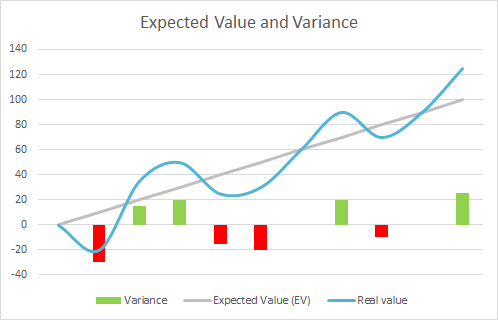
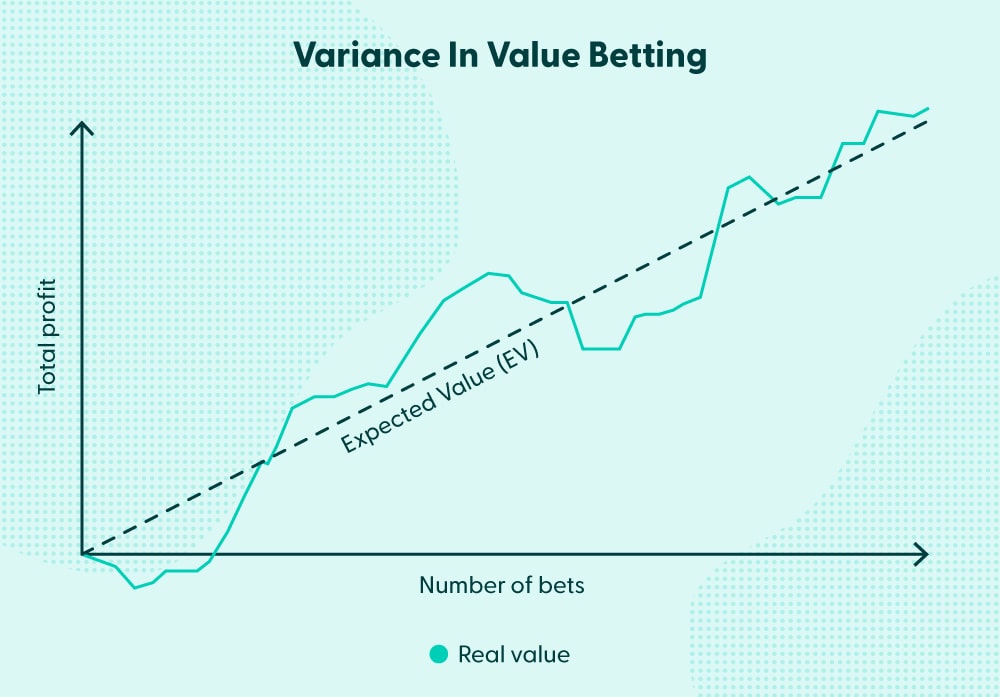
Over large samples, the closing line is the best proxy for true probability. Why CLV Matters More Than Win–Loss RecordMany bettors judge success by recent results. Professionals judge success by process quality, and CLV is the cleanest way to measure that. Here is why CLV matters:
Winning bettors expect short losing stretches.
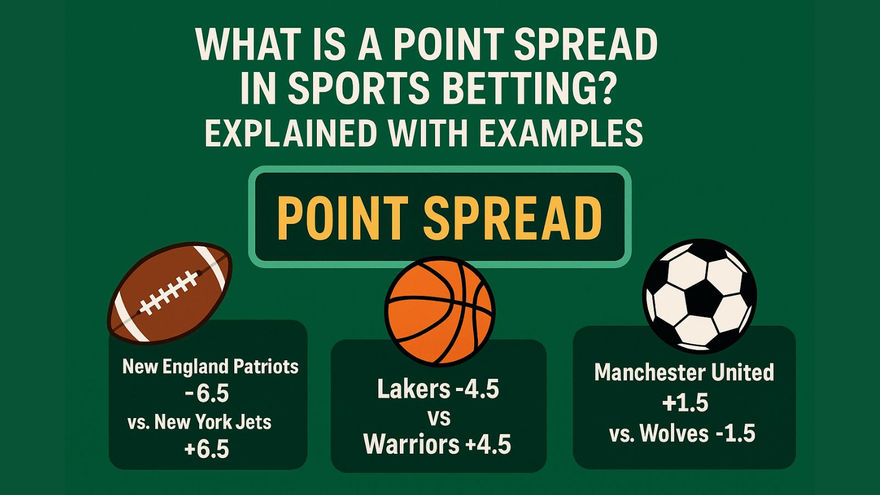
If you are beating the close, the math eventually works in your favor. Simple CLV ExamplesExample 1: Point Spread
You beat the market. Example 2: Moneyline
Example 3: Totals
The game result is irrelevant to CLV. How to Calculate CLVThere are two common methods depending on bet type. Spread & TotalsCLV is measured in points. Example:
MoneylinesCLV is measured by odds movement. Example:
Advanced bettors convert odds into implied probability and compare the delta. You can learn more about implied probability here: What Is “Good” CLV?There is no universal benchmark, but professionals generally target:
Consistent positive CLV is far more predictive than short-term ROI. For context on market efficiency, see: CLV vs. Results: Why Bettors Get This WrongOne of the hardest concepts for new bettors to accept is this:
Likewise:
CLV helps you separate signal from noise.
If you are consistently beating the close:
How Sharp Bettors Use CLVProfessional bettors use CLV in several ways: 1. Market ValidationIf respected sportsbooks move toward your number, your read was likely correct. 2. Strategy AuditingCLV reveals whether:
3. Sportsbook ProfilingSportsbooks use CLV to:
This is why many professionals spread action across multiple books and bet early when numbers are soft. More on how sportsbooks profile bettors: Common CLV MythsMyth 1: “CLV guarantees winning”False. CLV guarantees correct pricing, not short-term outcomes. Myth 2: “I don’t need CLV if I’m winning”Dangerous thinking. Variance hides inefficiency—until it doesn’t. Myth 3: “Closing lines are always right”They are not perfect, but they are the most efficient consensus available. How Beginners Can Improve CLVIf you are new to betting, focus on these fundamentals:
A solid primer on line movement: CLV and Long-Term ProfitabilityEvery sustainable betting strategy shares one trait: Positive CLV over a meaningful sample size. If your process produces:
Then profitability becomes a matter of time, not luck.
Final ThoughtsClosing Line Value is not glamorous. But it is the clearest, most honest metric of betting skill. If you want to think like a professional:
In sports betting, price is truth—and CLV tells you whether you found it before the market did. |
| Posted by Harvey Glickman (PicksDepot.com) (Profile) | Permalink | Comments (0) | Trackbacks (0) |
| There are no comments for this article |
|
The Trackback URL for this article is: |