


|
Fill out the following information to sign up for an account and receive our free picks. (Only your Email Address is Required) |
| Most Recent Articles |
Panthers-Cardinals HOF Game Preseason Primer |
| Aug 6th, 2026 Here are the biggest angles to know before betting or watching tonight's Hall of Fame Game between the Panthers and Cardinals. 🏈 Quarterback rotation (the biggest handicapping factor) The preseason is more about who plays than who starts. Carolina Panthers
Arizona Cardinals
⭐ Motivational factors This isn't just another preseason game.
Those inductions are the reason these franchises were selected for this year's Hall of Fame Game, giving both organizations a little extra emotional investment. (Wikipedia) 👀 Players to watch Because the starters are expected to sit, the focus shifts to:
Those players often play with maximum effort, which can make second-half football surprisingly competitive. (The Times of India) 📉 Gambling angles
Unlike the regular season, the better roster isn't always the better bet. If one coaching staff leaves its No. 2 quarterback in longer than expected, that can swing the game dramatically.
One of today's most interesting betting stories:
Despite that heavy Over support, the market has shown movement around the total, making it one of tonight's key betting storylines.
Historically, Hall of Fame Games tend to feature:
Because of that, many experienced preseason bettors focus on quarterback rotations rather than power ratings. (VSiN) 🧠 Coaching objectives Both coaching staffs are expected to prioritize:
Winning is secondary to gathering film for roster decisions. (Action Network) 📌 Biggest storylines entering kickoff
Bet all season long with Joe Duffy of OffshoreInsiders.com the winningest NFL handicapper in history |
| Posted by Harvey Glickman (PicksDepot.com) (Profile) | Permalink | Comments (0) | Trackbacks (0) |
| There are no comments for this article |
|
The Trackback URL for this article is: |
The Most Valuable NFL Players Aren't Always the Ones With the Biggest Stats |
| Jun 29th, 2026
OffshoreInsiders.com CEO Joe Duffy has been handicapping the NFL professionally since 1988. One of the biggest lessons I've learned over nearly four decades is that the public still overrates highlight-reel production while undervaluing the players who control games. Long before advanced metrics like EPA, success rate, and time-of-possession efficiency became mainstream, we recognized that the players who consistently touch the ball—and more importantly, sustain drives—are often worth far more to the betting line than traditional statistics suggest. The point is even more relevant in today's NFL. When a quarterback like Patrick Mahomes, Josh Allen, or Joe Burrow isn't on the field, it doesn't just affect his offense. It affects his defense as well. That's because the best defense in football is often an offense that controls possession. An efficient offense that consistently strings together first downs, wins field position, and dominates time of possession keeps the opposing offense standing on the sideline. Defensive players stay fresh. Opposing quarterbacks have fewer opportunities. Even if the offense isn't producing explosive highlights, it's still dictating the game. Years ago, we pointed to quarterbacks like Tom Brady and Ben Roethlisberger as prime examples of this philosophy. Today, quarterbacks such as Mahomes, Burrow, and even Jared Goff illustrate the same principle. They don't simply generate points—they consistently put their entire team in favorable situations. This is why evaluating injuries requires much more than comparing passing yards or touchdown totals. A backup quarterback may possess a stronger arm or even produce similar raw statistics. But if he processes defenses more slowly, fails to convert third downs, or cannot sustain long drives, the entire complexion of the game changes. The defense spends more snaps on the field, field position deteriorates, and fatigue becomes a factor by the fourth quarter. The same concept applies to running backs. A back who consistently gains four or five yards, protects the football, excels in pass protection, and converts short-yardage situations often contributes more to winning than a more explosive player who alternates spectacular plays with negative ones. That's why years ago we argued that players such as Dan Marino and Barry Sanders, despite their Hall of Fame talent, were often overrated by bettors relative to the betting market. They produced breathtaking highlights, but from a handicapping standpoint, consistency and drive sustainability frequently have greater value than occasional explosive plays. Modern analytics have largely confirmed what professional bettors observed decades ago. Metrics such as Expected Points Added, success rate, third-down conversion percentage, and drive efficiency consistently show that sustaining possessions is one of the strongest predictors of winning. Explosive plays matter, but consistently staying ahead of the chains usually matters more over the long run. The lesson for sports bettors is straightforward: don't handicap skill-position players solely by fantasy football statistics or highlight packages. Focus on which players help their team maintain possession, convert key situations, and keep the opposing offense off the field. Those contributions don't always make the nightly highlight shows, but they often determine who covers the spread. Joe Duffy is CEO of OffshoreInsiders.com and has specialized in professional sports handicapping since 1988. His premium selections are available through Joe Duffy's Picks. |
| Posted by Joe Duffy (Profile) | Permalink | Comments (0) | Trackbacks (0) |
| Joe Duffy is founder of OffshoreInsiders.com featuring the world’s top sports service selections. |
| There are no comments for this article |
|
The Trackback URL for this article is: |
The 5 Worst Bets in a Sportsbook |
| Jun 8th, 2026 Walk into any sportsbook and you'll find hundreds—sometimes thousands—of betting options. The sheer variety is one of the reasons sports betting has become so popular. But not all bets are created equal. In fact, some wagers are specifically designed to attract recreational bettors because they carry significantly higher sportsbook hold percentages than traditional bets. While every wager has a built-in house edge, certain bets make it much harder for bettors to win over the long run. Here are five of the worst bets you'll find in a sportsbook and why professional bettors generally avoid them.
Same-game parlays have become one of the biggest revenue generators for sportsbooks. The appeal is obvious:
The problem is that sportsbooks often price these bets far less favorably than standard wagers. Many bettors assume the sportsbook simply combines the odds from each selection. In reality, sportsbooks frequently adjust payouts downward due to correlations between events. For example: If a quarterback throws for 350 yards, it becomes more likely that his receivers have big games as well. Sportsbooks understand these relationships and price them accordingly. The result is often a much larger house edge than standard point spread or total wagers.
Every season, sportsbooks post futures odds on championships, MVP awards, division winners, and countless other markets. The odds can be tempting. A team at 50-to-1 or 100-to-1 looks attractive because the potential payout is enormous. However, futures markets typically carry some of the highest hold percentages in the sportsbook. Consider a championship market with 30 teams. The combined implied probabilities often add up well beyond 100%, creating a substantial edge for the house. Even worse, your money is tied up for months while providing no opportunity to reinvest that bankroll elsewhere. Professional bettors will occasionally play futures when they identify a significant pricing error, but as a general rule, futures are difficult to beat.
Player props can offer value, particularly in niche markets. The problem arises when sportsbooks post props for heavily bet events such as:
These markets attract tremendous public interest. Many bettors wager based on star power, media narratives, or rooting interests rather than objective analysis. Sportsbooks know this and frequently shade lines toward popular outcomes. A public favorite like a superstar quarterback or MVP candidate may attract excessive betting regardless of whether the number is fair. The result is often inflated prices that favor the sportsbook.
Many bettors love the feeling of betting on a team they believe is almost guaranteed to win. That's why sportsbooks are happy to offer prices such as:
The problem is that favorites must win at an extremely high rate just to break even. For example: A -500 favorite must win approximately 83.3% of the time to justify the wager. One upset can erase the profits from several winning bets. While large favorites can occasionally provide value, blindly betting heavy chalk is one of the quickest ways to drain a bankroll. Professional bettors focus on whether the price is correct—not whether the team is likely to win.
Few wagers are more popular than traditional parlays. The attraction is understandable: Turn a small wager into a large payout by stringing together multiple winners. The issue is that every additional leg increases the sportsbook's edge. Even if each individual selection is reasonably priced, combining several of them compounds the difficulty. A bettor who can hit 55% of standard wagers may still struggle to make parlays profitable because all selections must win. Sportsbooks heavily promote parlays because they are among the most profitable products they offer. That should tell bettors something. Why Sportsbooks Love These Bets There is a common theme connecting all five wagers. They tend to:
Sportsbooks are businesses. They aggressively market the products that generate the greatest profits. That's why you'll often see advertisements for same-game parlays, boosted parlays, longshot futures, and exotic prop combinations rather than straight bets against the spread. What Do Professional Bettors Prefer? Most professional bettors focus on relatively simple wagers:
Their goal is not to maximize entertainment. Their goal is to maximize expected value. Professionals spend more time comparing prices, shopping for lines, and identifying market mistakes than building complicated parlays. Final Thoughts The worst bets in a sportsbook are not necessarily the ones that lose the most often. They are the ones that offer the least value relative to the risk. Same-game parlays, longshot futures, heavily publicized props, massive favorites, and multi-leg parlays all tend to carry larger built-in advantages for the sportsbook than traditional wagers. That doesn't mean you should never place them. Sports betting is entertainment for many people, and there is nothing wrong with taking a shot at a big payout occasionally. But if your goal is long-term profitability, you'll generally be better served by focusing on value, price, and disciplined straight betting rather than chasing lottery-ticket payouts. For more sports betting analysis, betting systems, line movement reports, and professional handicapping insights, visit OffshoreInsiders.com.
|
| Posted by Jarad Lindsey (PicksDepot.com) (Profile) | Permalink | Comments (0) | Trackbacks (0) |
| There are no comments for this article |
|
The Trackback URL for this article is: |
Winning Sports Betting Explained — Step-by-Step |
| Jun 8th, 2026 Most bettors want to know who is going to win the game. Winning sports bettors ask a better question: Is the betting line wrong? That is the foundation of long-term sports betting success. It is not about guessing winners, chasing hot teams, or betting every big game on TV. It is about finding value, getting the best number, and making smart decisions repeatedly. Step 1: Understand What You Are Really Betting Sports betting is not simply about picking the team that wins. Every bet has a price. That price determines whether the wager has value. A team may be likely to win, but if the sportsbook makes the price too expensive, it may still be a bad bet. On the other hand, an underdog may lose more often than it wins but still be profitable if the odds are generous enough. The goal is not to win every bet. The goal is to make bets where the payout is better than the true probability. Step 2: Learn the Difference Between Odds and Probability Every betting line represents an implied probability. For example: A favorite at -150 means you must risk $150 to win $100. That price implies the team needs to win roughly 60% of the time just to break even. An underdog at +150 means you risk $100 to win $150. That price implies the team needs to win roughly 40% of the time to break even. Winning bettors constantly compare the sportsbook’s implied probability to their own estimate of the real probability. Step 3: Stop Asking, “Who Do I Like?” This is where many bettors go wrong. They look at a matchup and say: “I like the Yankees tonight.” “I think the Chiefs win.” “That total feels too low.” That may be fine for conversation, but it is not enough for serious betting. A better approach is: “I make this team -140, but the book is offering -115.” “I make this total 47, but the market is sitting at 44.5.” “I think this underdog should be +120, but I can get +155.” That is betting value. Step 4: Shop for the Best Line Line shopping is one of the easiest ways to improve your betting results. If one sportsbook has a team at +3 and another has +3.5, that half-point matters. If one book has +105 and another has +115, that matters. If one book has Over 8.5 and another has Over 9, that matters. Over one bet, it may not seem like much. Over hundreds or thousands of bets, it can be the difference between losing and winning. Serious bettors do not just pick games. They pick numbers. Step 5: Track Closing Line Value One of the best ways to evaluate your betting process is by comparing your number to the closing line. If you bet a team at +4 and it closes +2.5, you beat the market. If you bet a total Over 8.5 and it closes 9.5, you beat the market. That does not mean every bet will win. It means you consistently got a better number than the final market price. Over time, that is a strong sign you are making good bets. Step 6: Manage Your Bankroll Even good bettors lose. Losing streaks are part of the business. That is why bankroll management matters. Do not bet based on emotion. Do not double up after losses. Do not risk too much on one game. A simple approach is to bet a consistent percentage of your bankroll per play. Many disciplined bettors risk 1% to 2% per wager. The goal is survival first, growth second. Step 7: Avoid Chasing and Tilt Bad betting often starts after a loss. A bettor loses an early game, then tries to win it back on the late game. The next thing they know, they are betting a game they did not even like. That is chasing. Professional bettors avoid this trap by treating every bet independently. Yesterday’s result does not make today’s bet better. A loss does not create value. Emotion is expensive. Step 8: Keep Records You cannot improve what you do not track. Every bettor should know:
Records reveal strengths and weaknesses. Maybe you are profitable in MLB but losing in props. Maybe your underdogs are strong but your favorites are not. Maybe your totals are better than your sides. Without records, you are guessing. Step 9: Specialize Before Expanding Many losing bettors try to bet everything. NFL, NBA, MLB, NHL, college football, college basketball, props, futures, live betting — all at once. That is difficult to beat. A better strategy is to specialize. Learn one sport. Learn one market. Learn how the lines move. Learn which sportsbooks are slow to adjust. Learn where your edge actually exists. Specialization creates expertise. Step 10: Think Long Term Sports betting success is not judged by one day, one week, or one hot streak. The best bettors think in samples, not snapshots. A good bet can lose. A bad bet can win. The question is whether your process produces positive expected value over the long run. That means patience, discipline, and consistency. Final Thoughts Winning sports betting is not magic. It is a process. Find value. Shop for the best number. Manage your bankroll. Track your results. Avoid emotion. Think long term. The bettors who survive are not always the ones with the strongest opinions. They are the ones with the strongest process. For more sports betting analysis, betting systems, line movement reports, and professional handicapping insights, visit OffshoreInsiders.com.
|
| Posted by Jarad Lindsey (PicksDepot.com) (Profile) | Permalink | Comments (0) | Trackbacks (0) |
| There are no comments for this article |
|
The Trackback URL for this article is: |
Pro Sports Bettors Don't Pick Winners: The Biggest Myth in Sports Betting |
Jun 8th, 2026
One of the most common misconceptions among recreational sports bettors is that professional bettors are simply better at picking winners. The reality is much different.The best sports bettors in the world are often not asking, "Who is going to win?" Instead, they are asking, "Is this betting line priced correctly?" That distinction may seem subtle, but it is the difference between betting for entertainment and betting for long-term profit. The Difference Between Winning Bets and Making Good BetsMost casual bettors judge every wager based on whether it won or lost. Professional bettors know that a single result tells us very little. A bettor can make a great wager and still lose. Conversely, a bettor can make a terrible wager and still cash a ticket. What matters is whether the odds offered by the sportsbook were better than the true probability of the event occurring. For example, imagine a bettor consistently receives odds that imply a team has a 45% chance of winning when the actual probability is closer to 50%. That bettor may lose many individual wagers, but over hundreds or thousands of bets, they will have a mathematical edge. Professional betting is built on expected value, not short-term results. Two Types of Winning Sports BettorsWhile every successful bettor is different, most fall into one of two broad categories. OriginatorsOriginators are the true handicappers. They build statistical models, analyze data, and generate their own power ratings and projections. Rather than relying on the market, they attempt to predict outcomes before sportsbooks and other bettors do. These bettors often specialize in a single sport, conference, or market. They may spend years refining models that can identify small advantages before betting lines move. Originators are relatively rare. They represent a small percentage of the betting community, but they often have a significant influence on market movement. Market-Based BettorsThe more common professional bettor relies on market information. Instead of creating their own numbers from scratch, they study line movements and compare prices across sportsbooks. Their goal is to identify numbers that have not yet adjusted to the broader market. If most sportsbooks move a team from -1 to -2.5 and one book is still offering -1, a sharp bettor may immediately grab the stale number. The focus is not necessarily on predicting the game's outcome better than everyone else. The focus is on obtaining a better price than the rest of the market. Why Line Shopping MattersOne of the easiest ways for bettors to improve their results is to shop for the best line. Consider these examples:
These differences may appear insignificant, but over hundreds of wagers they can dramatically impact profitability. Professional bettors understand that every half-point and every penny matters. A bettor who consistently obtains the best available number may turn a break-even strategy into a winning one. The Importance of Beating the Closing LineAsk most recreational bettors how they performed last week, and they'll tell you their win-loss record. Ask many professional bettors, and they'll tell you whether they beat the closing line. The closing line is the final betting number before a game begins. It represents the collective opinion of sportsbooks, professional bettors, and the betting market as a whole. Consistently beating the closing line is one of the strongest indicators that a bettor has an edge. For example:
Even if the wager loses, Bettor A likely made a good bet because they obtained a significantly better number than the market ultimately settled on. Over time, bettors who consistently beat the closing line tend to win. Why Sports Knowledge Alone Isn't EnoughMany sports fans believe that knowing more about teams, players, injuries, and coaching strategies automatically translates into betting success. While sports knowledge can certainly help, it is often overrated. Professional bettors frequently focus more on numbers than narratives. They avoid emotional attachments to teams and are less concerned with media storylines. Instead, they focus on:
The betting market itself often contains more useful information than any individual opinion. Sports Betting Is More Like Investing Than GamblingPerhaps the best way to understand professional sports betting is to compare it to financial markets. Successful investors do not simply buy companies they think are good. They buy companies they believe are undervalued. Likewise, successful sports bettors do not simply bet teams they think will win. They bet teams whose odds offer value relative to their true chances of winning. The question is not: "Who wins?" The question is: "Are these odds wrong?" That mindset separates professional bettors from recreational bettors. Final ThoughtsThe image of a professional sports bettor as someone who can magically predict winners is largely a myth. The most successful bettors are often market analysts first and handicappers second. They focus on finding pricing errors, obtaining the best available numbers, and making wagers with positive expected value. While elite handicappers who create their own projections certainly exist, many winning bettors make their living by understanding the market better than the average bettor. In the long run, sports betting is not about being right on every game. It's about consistently finding value before the rest of the market does. For more sports betting analysis, betting systems, line movement reports, and professional handicapping insights, visit OffshoreInsiders.com. |
| Posted by Jarad Lindsey (PicksDepot.com) (Profile) | Permalink | Comments (0) | Trackbacks (0) |
| There are no comments for this article |
|
The Trackback URL for this article is: |
How to Bet College Football |
Jun 2nd, 2026
College Football Betting Basics: A Beginner’s Guide to Smarter WageringCollege football is one of the most popular betting sports in North America, and for good reason. With more than 130 FBS teams, dozens of games every week, passionate fan bases, and significant differences in talent levels from team to team, the sport offers opportunities that many bettors believe are more plentiful than those found in the NFL. However, college football can also be one of the most challenging sports to handicap. Massive roster turnover, coaching changes, injuries, weather, and public perception can all influence betting lines. If you're new to wagering on college football, understanding the fundamentals is the first step toward making informed decisions. Understanding the Three Main Types of BetsPoint SpreadThe point spread is the most common way to bet college football. Sportsbooks assign a handicap designed to make both teams equally attractive from a betting perspective. Example: Georgia -13.5 If you bet Georgia, they must win by 14 or more points to cover the spread. If you bet Tennessee, the Volunteers can either win outright or lose by 13 points or fewer. Most spread wagers are priced around -110, meaning you risk $110 to win $100. MoneylineA moneyline wager requires you to simply pick the winner of the game. Example: Ohio State -300 A $300 wager on Ohio State wins $100 if the Buckeyes win. A $100 wager on Michigan wins $250 if the Wolverines pull the upset. Moneyline betting is popular when backing underdogs because college football often produces attractive plus-money payouts. Over/Under TotalsThe total represents the combined points scored by both teams. Example: Texas vs. Oklahoma Total: 57.5
Totals betting often requires analyzing pace, offensive efficiency, defensive strengths, weather, and coaching tendencies. Why College Football Is Different From NFL BettingMany beginning bettors assume college football and NFL betting are identical. They are not. Several factors create significant differences: Talent GapsThe difference between the best and worst teams is much larger than in the NFL. It's not unusual to see point spreads of:
Such spreads are virtually nonexistent in professional football. Larger Betting MenuA typical Saturday may feature 50 to 70 games. That creates opportunities, but it also tempts bettors into making wagers on teams they know very little about. More VolatilityYoung athletes are generally less consistent than professionals. One week a team may look elite. The next week they may struggle against a much weaker opponent. This variance is one reason college football can be both profitable and frustrating. Key Factors That Influence College Football Betting LinesInjuriesQuarterback injuries often have the greatest impact. Unlike many NFL teams, some college programs have a massive drop-off from the starter to the backup. Coaching ChangesCollege football coaching turnover is constant. New offensive and defensive systems can dramatically impact performance. Early-season games often provide value when sportsbooks haven't fully adjusted. Home-Field AdvantageCollege football venues can create some of the most intimidating environments in sports. Stadiums such as:
are known for significant home-field advantages. WeatherWeather can dramatically affect totals and side bets. Factors include:
Wind is often the most influential weather factor because it affects both passing and kicking efficiency. Common Betting Terms Every Bettor Should KnowCoverA team "covers" when it beats the point spread. FavoriteThe team expected to win. Favorites are designated with a minus sign (-). UnderdogThe team expected to lose. Underdogs are designated with a plus sign (+). Juice (Vigorish)The commission sportsbooks charge on wagers. Standard spread pricing is typically -110. PushA tie between the betting line and the actual result. The wager is refunded. Sharp MoneyBets placed by respected professional bettors. Many handicappers track sharp activity because sportsbooks often react to those wagers. Public MoneyBets placed primarily by recreational bettors. The public often gravitates toward favorites, ranked teams, and high-scoring offenses. College Football FuturesFutures are wagers on events that will be decided later in the season. Popular futures include: National ChampionshipBetting on a team to win the national title. Conference ChampionshipsBetting on teams to win conferences such as:
Season Win TotalsSportsbooks post projected regular-season win totals. Example: Texas Over 9.5 Wins The Longhorns must win at least 10 regular-season games. Heisman TrophyBetting on the player who will win college football's most prestigious individual award. Live BettingLive betting allows wagers after a game begins. Because college football is highly volatile, in-game opportunities can emerge quickly. Examples include:
Live betting requires discipline because lines change rapidly throughout the game. College Football Betting Mistakes to AvoidBetting Too Many GamesOne of the biggest mistakes new bettors make is trying to wager on every televised game. Successful bettors often focus on a handful of conferences and teams they know extremely well. Chasing LossesIncreasing bet size after a loss rarely ends well. Smart bankroll management is essential for long-term success. Ignoring Line ValueGetting the best number matters. A bettor who consistently gets +7.5 instead of +7 gains a significant long-term advantage. Overreacting to RankingsRankings often influence public perception more than actual team strength. The betting market frequently prices this bias into the line. Basic College Football Betting StrategyIf you're just starting out, keep your approach simple:
Final ThoughtsCollege football offers one of the deepest betting markets in sports. The sheer number of teams and games creates opportunities that don't exist in leagues with smaller schedules. At the same time, the sport's volatility means discipline, research, and proper bankroll management are critical. Whether you're betting point spreads, moneylines, totals, futures, or live markets, understanding the fundamentals gives you a much stronger foundation than simply picking teams based on rankings or reputation. The most successful college football bettors treat wagering as a long season of finding value rather than trying to win every game on the board. |
| Posted by Jarad Lindsey (PicksDepot.com) (Profile) | Permalink | Comments (0) | Trackbacks (0) |
| There are no comments for this article |
|
The Trackback URL for this article is: |
The One Preseason Betting Edge Most Bettors Completely Miss |
| May 5th, 2026
Preseason Football Betting Gems from Joe Duffy In the world of sports betting, few markets are as misunderstood—and as exploitable—as NFL preseason football. In this video, Joe Duffy breaks down a fundamental truth that separates professional bettors from the public: winning in the preseason requires doing the exact opposite of what casual bettors instinctively do. (YouTube) This isn’t just a minor tweak in strategy. It’s a complete shift in mindset. Why Preseason Football Is a Different MarketThe biggest mistake bettors make is treating preseason games like regular-season contests. That approach fails immediately because the underlying variables are entirely different. In preseason football:
Unlike the regular season, where power ratings and talent evaluation dominate, preseason betting is driven by intent, preparation, and opportunity. The “Square Bettor” TrapDuffy emphasizes that recreational bettors—often called “square bettors”—fall into predictable patterns. They tend to:
This creates a consistent inefficiency in the betting market. The public assumes:
But in preseason football, that assumption is often wrong. The Key Contrarian PrincipleThe central takeaway from the video is simple but powerful: Profitable preseason betting requires going against conventional logic. Instead of focusing on which team is “better,” sharp bettors analyze:
In many cases, the “inferior” team becomes the better bet because they have more to gain from the game. Coaching Motivation: The Hidden VariableOne of the most overlooked edges in preseason betting is coaching philosophy. Some coaches:
Others:
Understanding these tendencies is critical. A motivated coach with a weaker roster can easily outperform a more talented team that is simply going through the motions. Depth Over Star PowerIn preseason football, depth beats talent. A team with:
…will often outperform a team resting starters and rotating in fringe players. This flips the traditional handicapping model on its head. Market Inefficiency Creates OpportunityBecause the public continues to bet based on name recognition and surface-level analysis, sportsbooks often shade lines accordingly. That creates value on:
This is where professional bettors thrive—by identifying mispriced lines created by public bias. The Bottom LineThe lesson from Joe Duffy’s breakdown is straightforward but critical: Preseason betting isn’t about who is better—it’s about who cares more. Bettors who:
…gain a measurable edge over the market. Meanwhile, those who rely on traditional handicapping methods are effectively betting blind. |
| Posted by Joe Duffy (Profile) | Permalink | Comments (0) | Trackbacks (0) |
| Joe Duffy is founder of OffshoreInsiders.com featuring the world’s top sports service selections. |
| There are no comments for this article |
|
The Trackback URL for this article is: |
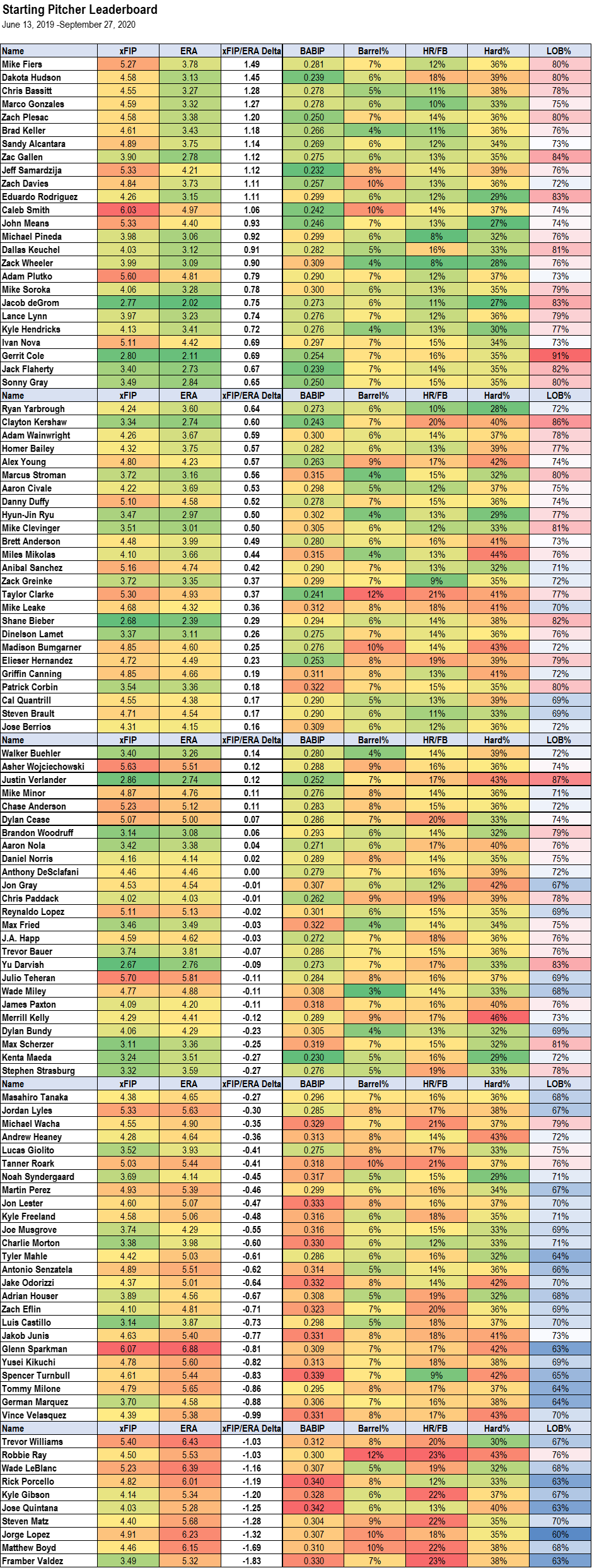
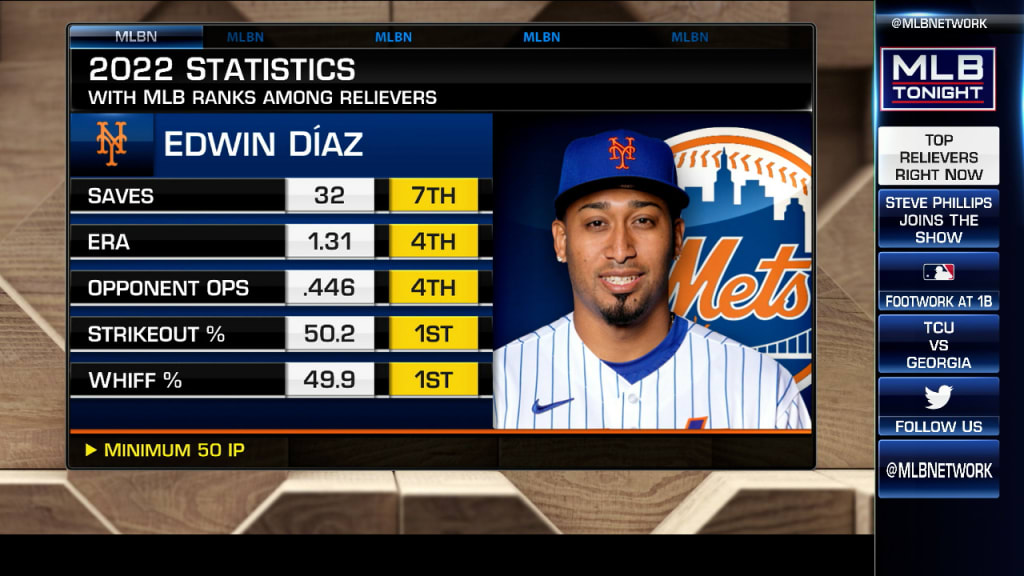
MLB Bullpen Betting: Why Relievers Are the Secret to Winning Totals |
Apr 6th, 2026
If you’re betting MLB totals and still focusing primarily on starting pitchers, you’re leaving money on the table. Yes the best free MLB picks will win you a ton tailing the best cappers, but here is how they win!Sharp bettors—especially those operating with long-term ROI—understand a critical truth:
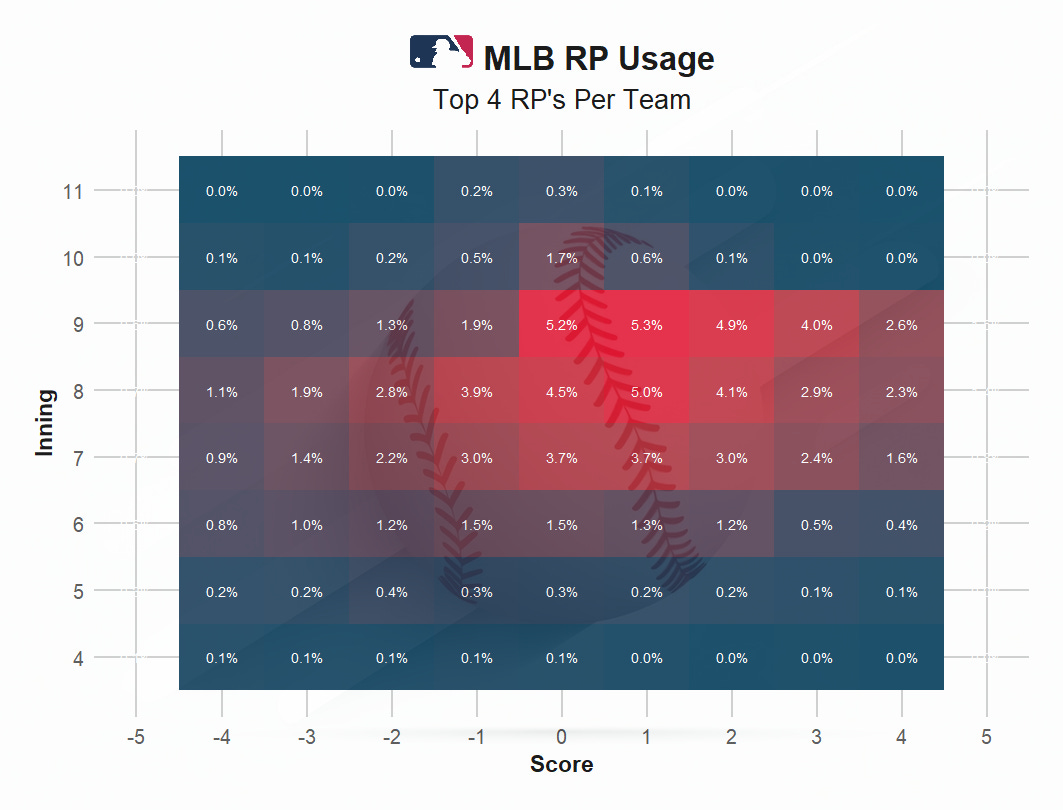
In today’s MLB, where starters rarely go deep and relievers dominate innings 6–9, bullpen analysis is no longer optional—it’s essential. This guide breaks down how to evaluate bullpens, identify edges, and consistently beat totals. 🔍 Why Bullpens Matter More Than Ever
The modern game has changed dramatically:
That means nearly half your total bet depends on bullpen performance. 👉 MLB inning distribution trends: 📊 Key Bullpen Metrics Every Bettor Must Know
Traditional stats don’t cut it. You need to dig deeper. Core Metrics:
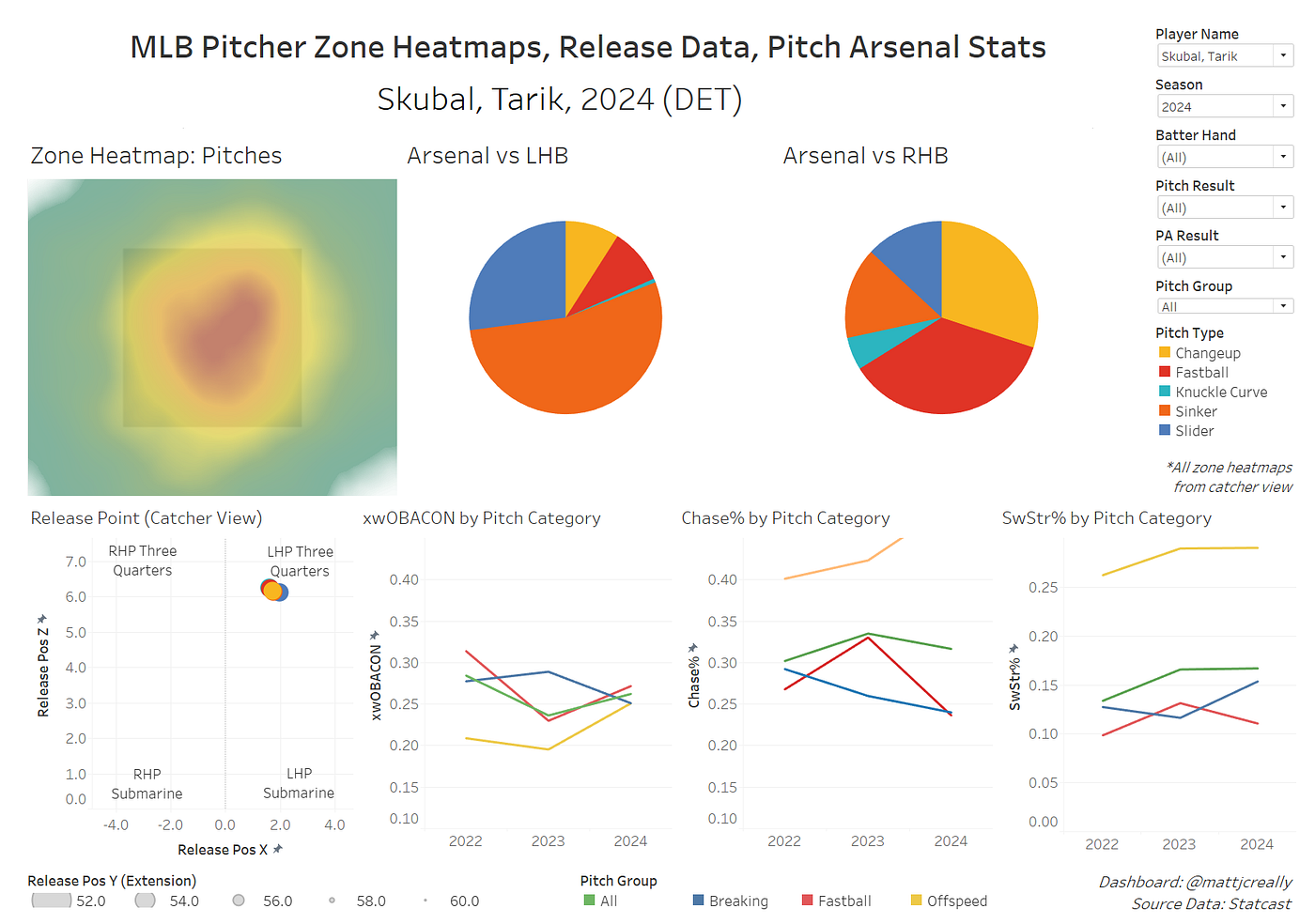
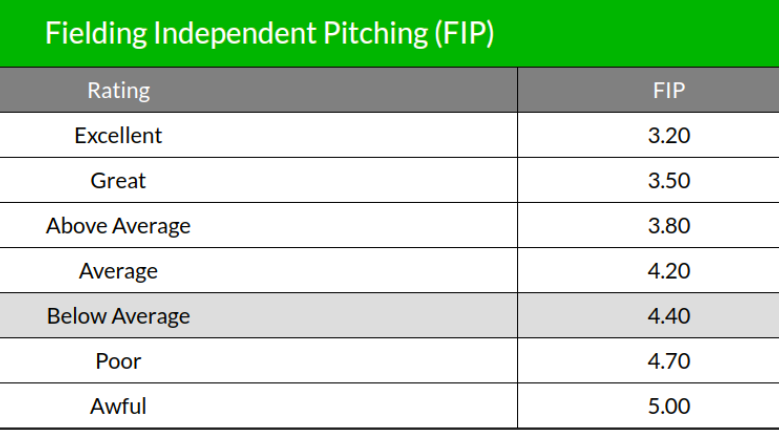
Advanced Insight:A bullpen with a low ERA but high FIP is likely overperforming → regression candidate (lean OVER) 👉 Advanced bullpen stats: 🔥 Bullpen Fatigue: The Most Overlooked Edge in Totals
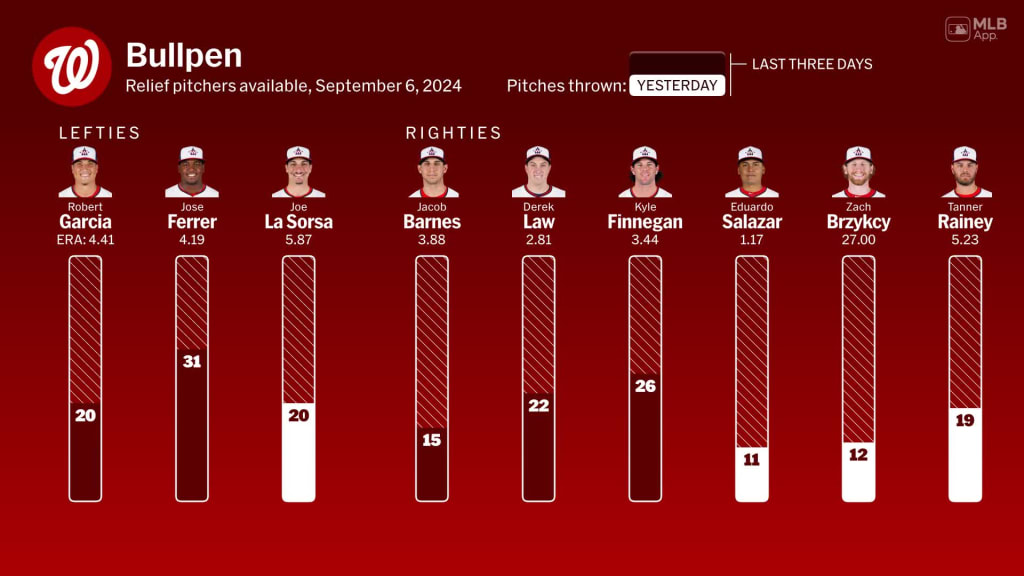
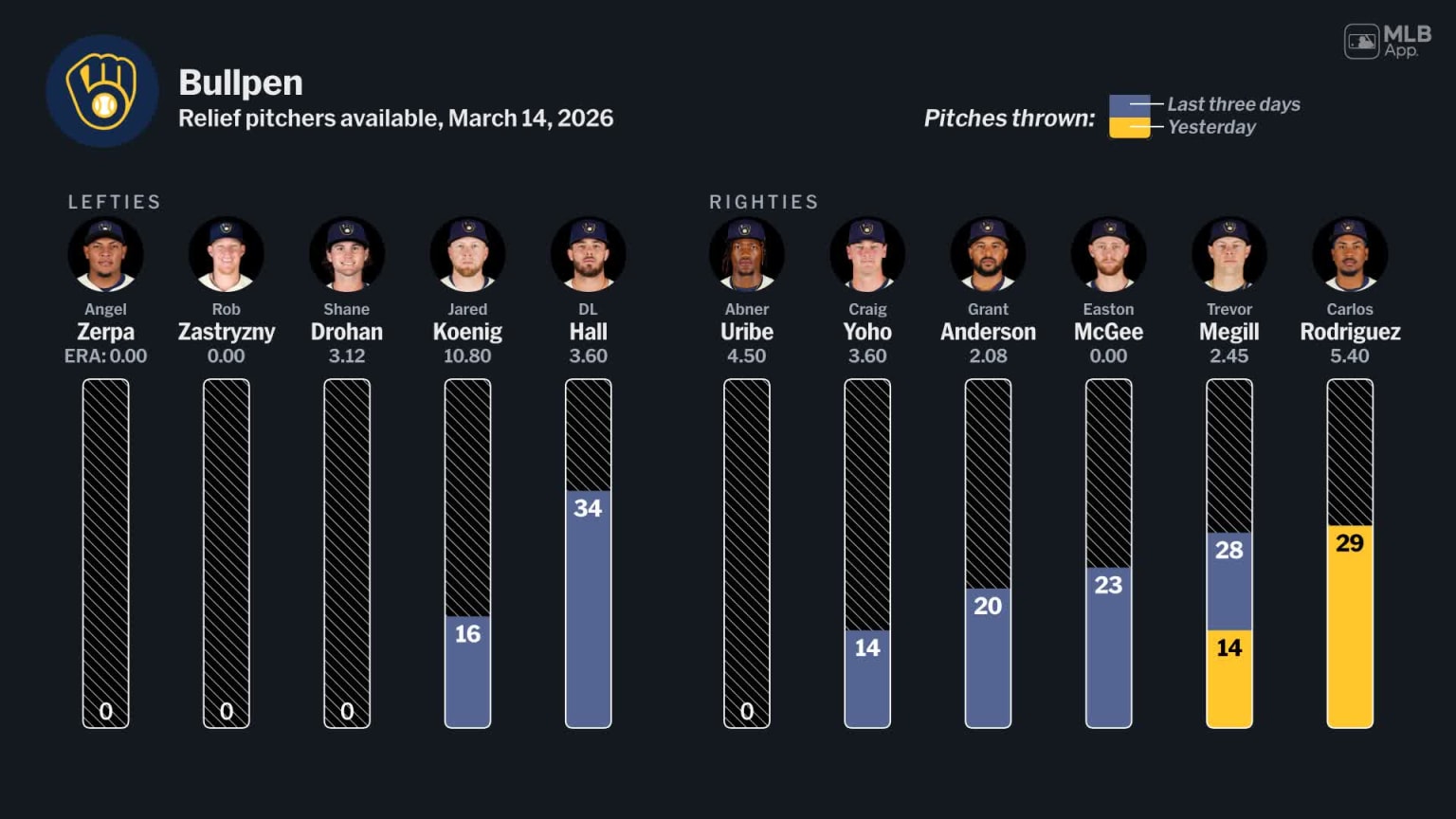
This is where sharp bettors separate themselves. What to Track:
Example:If a team used 5 relievers yesterday, including their closer and setup men:
👉 Bullpen usage tracking: ⚖️ Handicapping Totals: Starter vs Bullpen BalanceMost bettors overvalue starting pitchers. Reality:Even elite starters:
Smart Approach:Break the game into two segments: 1. First 5 innings (F5):
2. Last 4 innings:
Strategy:
👉 Learn about F5 betting splits: 📉 Line Movement & Bullpen Influence
Totals often move due to bullpen-related information, not just starting pitchers. What Moves Totals:
Sharp Signal:If a total rises from 8 → 9 without major pitching changes, check bullpen status. That’s often where the real story is. 👉 Betting splits and line tracking: 🧠 Advanced Angles Using Bullpen DataHere’s where experienced bettors gain real separation. 1. Fade Overworked BullpensTeams with top-10 usage over last 3 days:
2. Target Weak Middle ReliefClosers get attention—but games are often lost in the 6th–7th innings 3. Regression Opportunities
4. Travel + Fatigue ComboBullpen fatigue + travel = massive edge, especially in:
❌ Common Mistakes Bettors MakeIgnoring Bullpen Depth ChartsNot all relievers are equal—know who’s available Overvaluing the CloserClosers only pitch ~1 inning (if at all) Blindly Betting AcesEven elite starters hand games off to volatile bullpens Not Tracking Daily UsageBullpen condition changes every single day 📈 Building a Bullpen-Based Betting SystemTo consistently beat totals: Daily Checklist:
Long-Term Edge:Bullpen inefficiencies are one of the least efficiently priced aspects of MLB totals Why? Because:
🏁 Final ThoughtsIf you want to win at MLB totals, shift your mindset:
Bullpens decide outcomes far more often than most bettors realize. Master bullpen analysis—and you unlock one of the most consistent edges in baseball betting.
|
| Posted by Elton Maloney (Profile) | Permalink | Comments (0) | Trackbacks (0) |
| Advisor to Joe Duffy's Picks as far as organic handicapping. An expert on matchups and other statistical analysis and research. |
| There are no comments for this article |
|
The Trackback URL for this article is: |




MLB Betting for Beginners: How to Read Baseball Odds & Lines |
Apr 6th, 2026
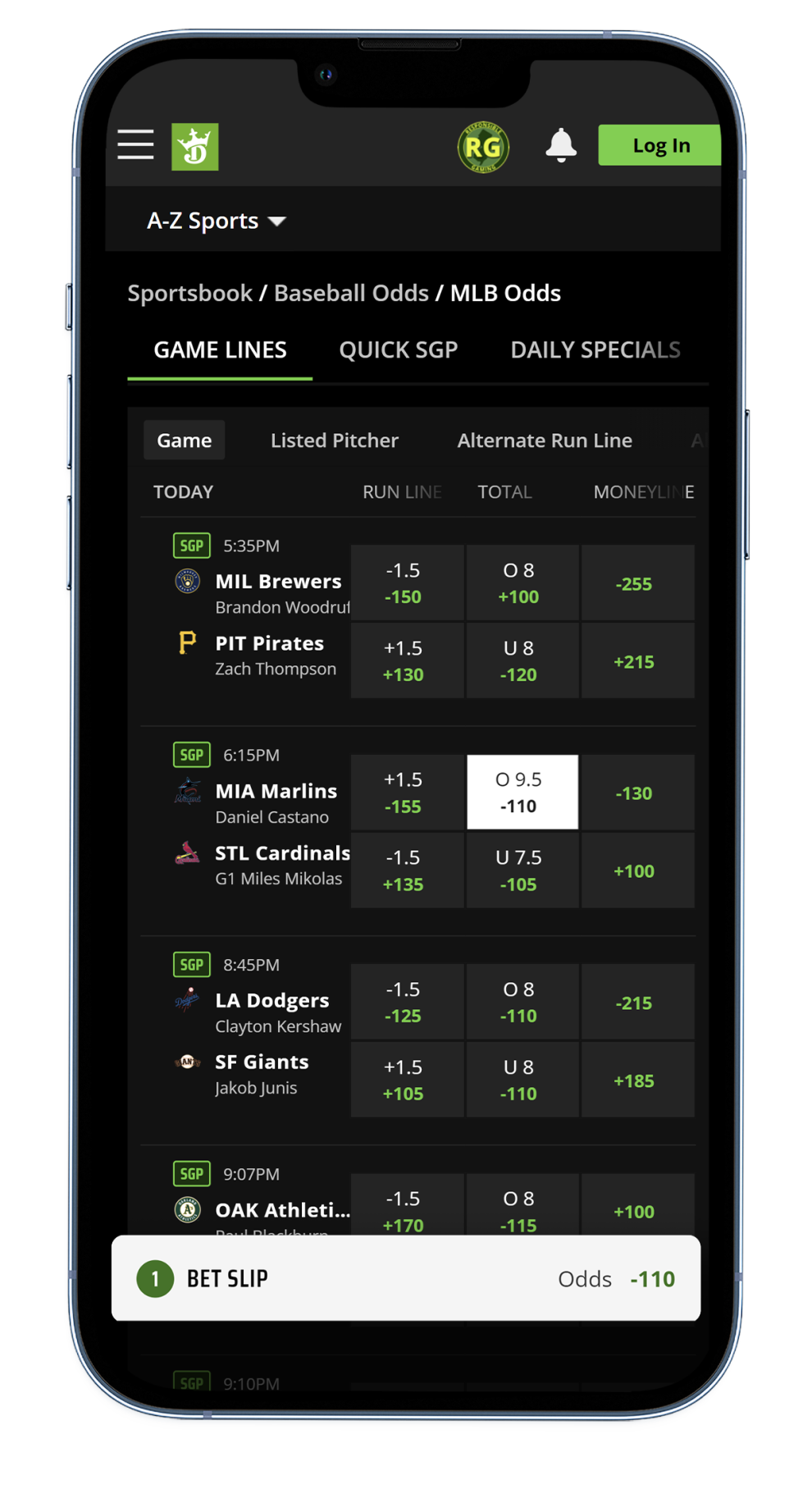
Baseball is one of the most data-rich sports in the world—and that makes MLB betting uniquely appealing for both beginners and seasoned bettors. With 162 games per team and daily betting opportunities, understanding how to read baseball odds and lines is your first critical edge.This guide breaks everything down—from moneylines to run lines to totals—so you can move from guessing to informed decision-making. 📊 Understanding the Basics of MLB Betting
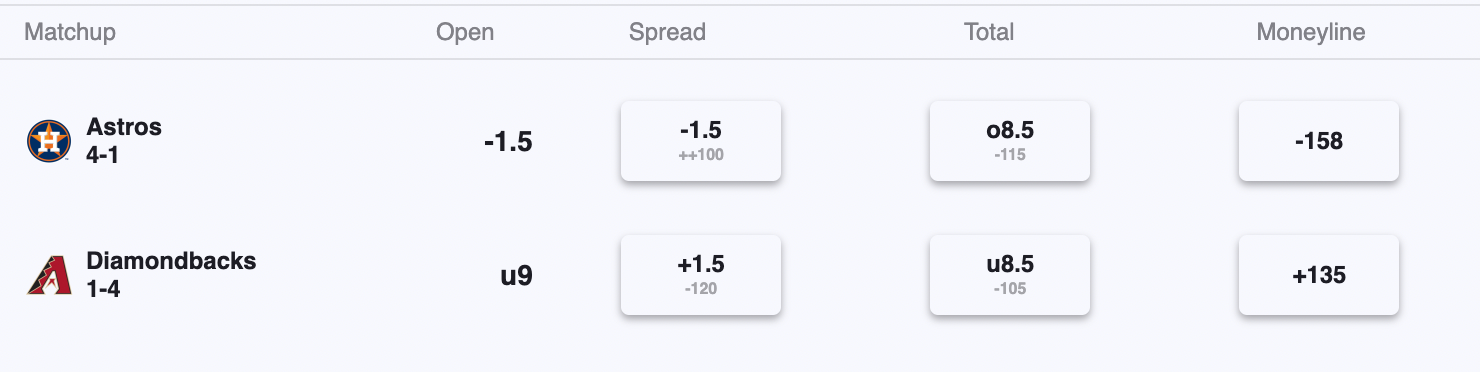
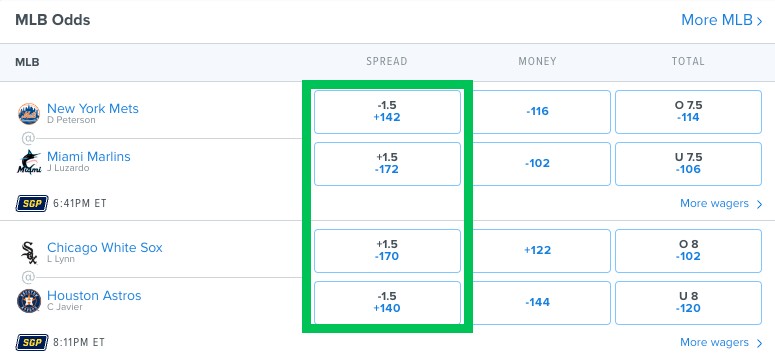
Unlike football or basketball, MLB betting revolves heavily around moneylines, not point spreads. That’s because baseball games are typically lower scoring and more variance-driven. The three core bet types you’ll encounter:
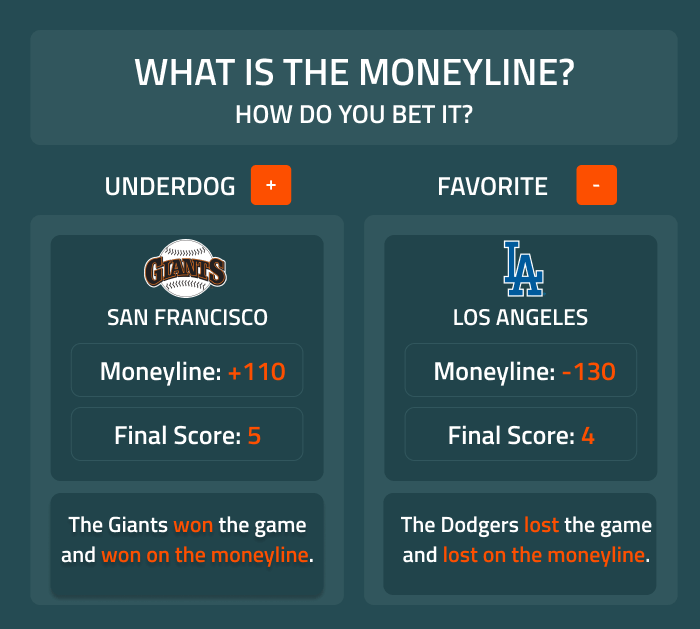
If you understand these three, you’re already ahead of most casual bettors. 💰 Moneyline Betting: The Foundation of MLB WageringMoneyline betting is the simplest form of MLB betting: just pick which team wins. Example:
How to interpret:
Key Insight:Baseball has more underdog value than other sports. Even elite teams lose ~40% of their games. That creates opportunities if you can identify mispriced lines. 👉 Learn more about implied probability: ⚾ Run Line Betting: Baseball’s Spread
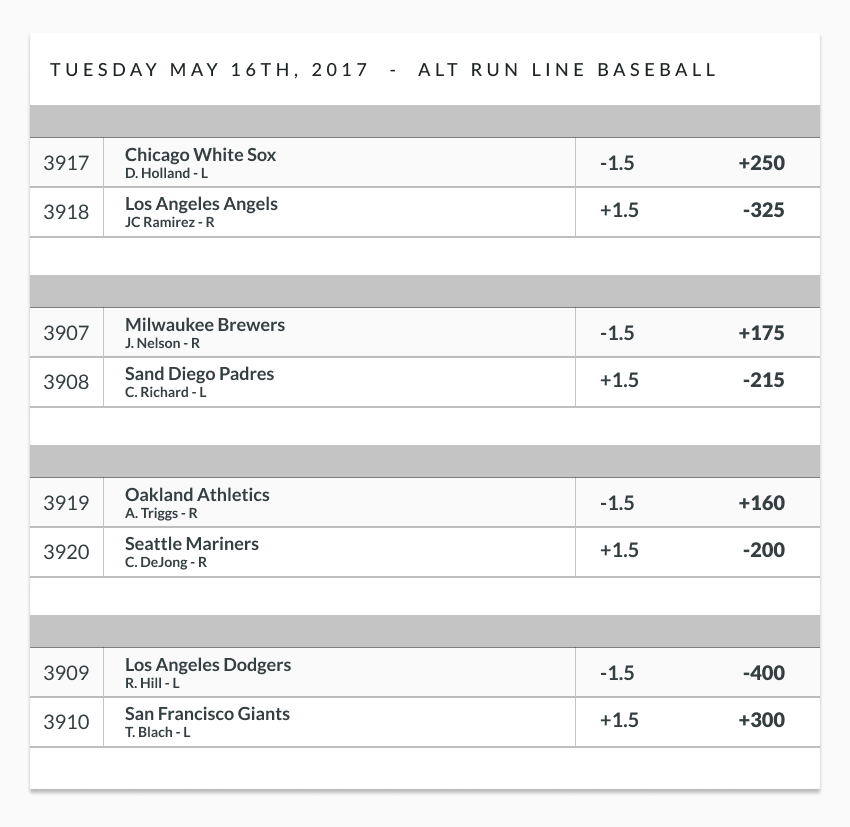
The run line is almost always set at ±1.5 runs. Example:
What it means:
Strategy Angle:
👉 MLB game distribution data: 🔢 Totals (Over/Under): Betting on Combined Runs
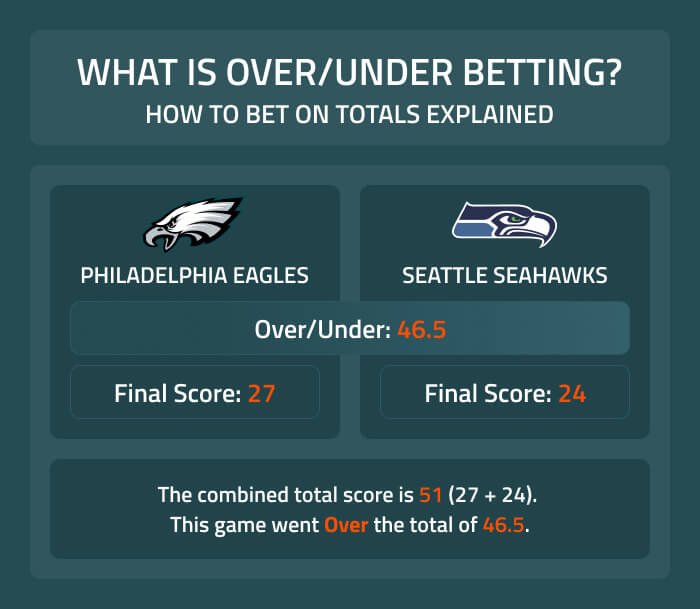
Totals betting focuses on whether the combined score goes over or under a set number. Example:
Key Factors That Influence Totals:
👉 Weather impact on MLB games: 📉 Reading Line Movement: Where the Sharps Are BettingOne of the most powerful concepts in MLB betting is line movement. If a line shifts significantly, it usually means:
Example:
That’s a 30-cent move, indicating strong market support. Pro Tip:If the line moves against public betting percentages, that’s often a sign of sharp action. 👉 Track betting splits: 📊 Advanced Metrics That Matter in MLB Betting
To gain a true edge, you need to move beyond traditional stats like ERA and batting average. Key Metrics:
Why It Matters:Oddsmakers and sharp bettors rely heavily on these metrics. If you’re not, you’re behind. 👉 Explore advanced MLB stats: 🧠 Beginner Mistakes to AvoidEven experienced bettors fall into these traps: 1. Betting Favorites BlindlyFavorites win often—but are frequently overpriced 2. Ignoring Pitching MatchupsStarting pitchers heavily influence outcomes, more than any other sport 3. Overreacting to Recent ResultsBaseball is a long-term regression sport 4. Not Shopping for the Best LineA difference of 10–20 cents can dramatically impact ROI over time 👉 Odds comparison tools: 📈 Building a Winning MLB Betting StrategyTo succeed long-term, you need a structured approach:
High-Level Edge:MLB is one of the most beatable markets because:
🏁 Final ThoughtsMLB betting isn’t about guessing—it’s about understanding probability, pricing, and value. If you master:
You’ll already be operating at a higher level than the average bettor. The real edge comes when you combine that foundation with data-driven analysis and disciplined execution.
|
| Posted by Reed Richards (Profile) | Permalink | Comments (0) | Trackbacks (0) |
| Richards is a writer for BetUs Sportsbook. |
| There are no comments for this article |
|
The Trackback URL for this article is: |




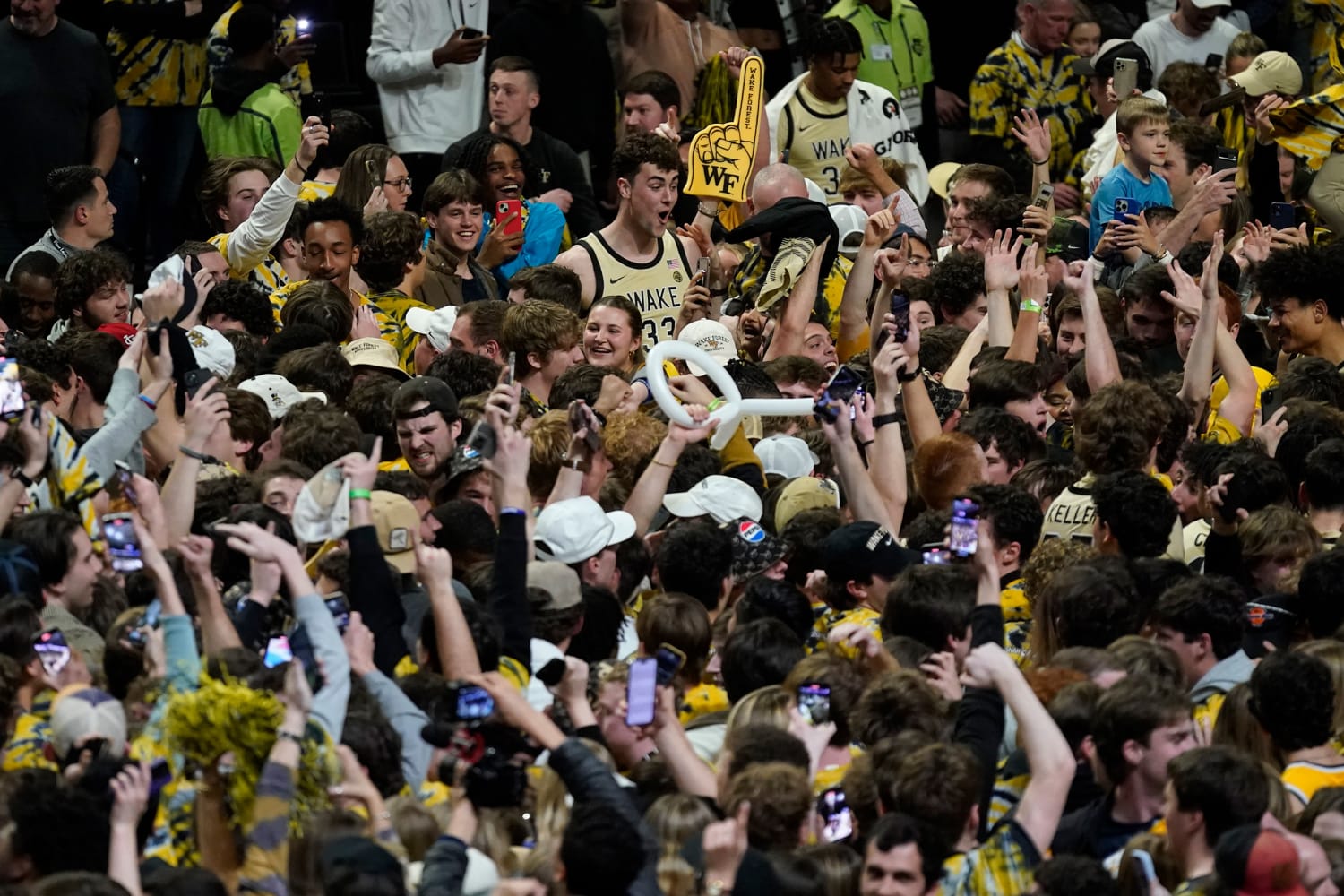
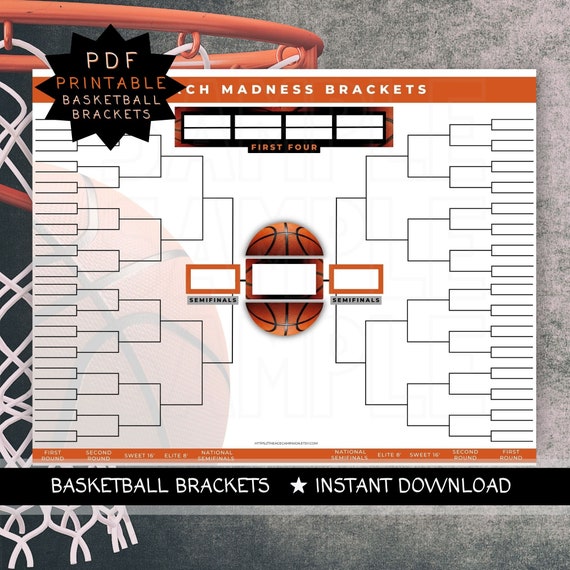
How To Pick March Madness Brackets: A Complete Guide for Every Type of Sports Bettor |
| Mar 5th, 2026
Every March, millions of fans participate in one of the biggest sports traditions in America: filling out a March Madness bracket. Whether you’re competing in an office pool, entering online contests, or simply trying to beat your friends, the challenge is the same—predicting the unpredictable. But while luck plays a role, experienced sports bettors know there are strategies, analytics, and historical trends that can significantly improve your chances. This guide explains how to pick March Madness brackets, covering strategies used by both casual fans and professional handicappers. Understanding the NCAA Tournament FormatBefore making picks, it’s critical to understand how the tournament works. The NCAA Division I Men’s Basketball Tournament features 68 teams, competing in a single-elimination format across three weeks. Tournament rounds include:
You can view the official bracket and updates here: https://www.ncaa.com/march-madness-live/bracket The tournament is divided into four regions, each containing seeds 1 through 16. Seedings matter—but they don't always tell the whole story. Why March Madness Is So Hard to Predict
March Madness is famous for chaos. Statistically:
Advanced analytics sites such as: https://kenpom.com show that the true performance gap between teams is often much smaller than seed numbers suggest. That’s why smart bracket players analyze matchups and advanced metrics, not just seeding. Basic Strategy for Beginner Bracket PlayersIf you’re new to filling out brackets, start with these fundamentals. Pick Mostly Favorites EarlyHistory strongly favors top seeds in the opening round. Examples:
This means beginners should avoid going upset-crazy in the first round. A good rule: Pick 2–4 upsets in Round 1 and keep the rest chalk. Always Include UpsetsUpsets are inevitable. According to historical data from: https://www.sports-reference.com/cbb/ The average tournament features:
Common upset candidates:
The famous 12 vs 5 upset has become one of the most consistent March Madness trends. Pick a Strong National ChampionWhen selecting your champion, history is extremely clear. Most champions are high seeds. Since the tournament expanded in 1985:
Use analytics sites such as: https://kenpom.com to evaluate true team strength. Advanced March Madness Bracket Strategies
Professional sports bettors take a more analytical approach. Instead of guessing, they focus on data and probability. Focus on Efficiency MetricsBasic statistics like points per game are misleading. Advanced bettors rely on metrics such as:
Analytics sites such as: https://kenpom.com measure performance on a per-possession basis, which provides a far more accurate evaluation. Teams ranked Top 20 in both offense and defense historically perform extremely well in the NCAA Tournament. Identify Cinderella TeamsEvery year, one or two lower seeds make a surprising run. Typical Cinderella characteristics include:
Slower teams create fewer possessions, which increases the chance of an upset. Follow the Betting MarketSportsbooks are extremely sharp. Often the betting line reveals information that the seed does not. For example:
These situations can signal a mis-seeded team. Odds can be monitored here: https://www.vegasinsider.com/college-basketball/odds/ and https://www.actionnetwork.com/ncaab Common March Madness Bracket Mistakes
Even experienced bettors make mistakes. Avoid these common bracket traps. Picking Too Many UpsetsUpsets are exciting—but overdoing them destroys brackets. Most games are still won by favorites. Successful brackets usually feature a balanced mix of favorites and strategic upsets. Overvaluing Conference Tournament ResultsTeams that dominate their conference tournament often receive too much attention. Fatigue from playing multiple games in a short time can actually hurt performance in the NCAA Tournament. Ignoring MatchupsBasketball is highly matchup-dependent. For example:
Ignoring stylistic matchups leads to poor bracket decisions. Strategy for Winning Bracket PoolsWinning a bracket pool requires a slightly different approach than picking games. Consider the size of your pool. Small pools (10–20 people)
Large pools (100+ people)
If everyone picks the same champion, it becomes difficult to win. Historical Trends That MatterSome trends consistently appear in NCAA Tournament results. Important factors include:
Advanced stats and projections can be found here: https://barttorvik.com Final ThoughtsMarch Madness will always involve unpredictability. But smart bracket players improve their odds by combining:
Casual fans rely on guesses. Serious bettors rely on data and disciplined strategy. With the right approach, you can dramatically improve your chances of building a winning bracket.
|
| Posted by Reed Richards (Profile) | Permalink | Comments (0) | Trackbacks (0) |
| Richards is a writer for BetUs Sportsbook. |
| There are no comments for this article |
|
The Trackback URL for this article is: |





AFC Conference Championship Official Betting Preview |
| Jan 22nd, 2026
New England Patriots vs. Denver BroncosNFL Playoff Betting Preview, Market Analysis, and Prop PicksThe NFL playoffs are where pricing discipline, situational edges, and market psychology matter most. The matchup between the New England Patriots and the Denver Broncos is a textbook example of how sharp money, public bias, and advanced power ratings collide. Below is a full breakdown of the opening line, current market movement, betting splits, efficiency metrics, and the best angles—both sides and player props—for this postseason showdown. Market OverviewOpening Line: Spread Market
Interpretation: Total Market
Interpretation: Moneyline Market
Interpretation: Against-the-Spread & Efficiency Profile
From a pure ATS standpoint, New England has been elite. However, efficiency-based regression metrics tell a more nuanced story. According to TeamRankings, Denver has been the luckiest team in the NFL, finishing +3.8 wins above expectationbased on underlying performance. Notably:
Luck metrics matter more in the playoffs, where margins tighten and randomness often regresses. Projection Models Comparison
Consensus Takeaway: Player Prop PicksJarrett Stidham — OVER 14 Rushing YardsPlayoff football changes quarterback behavior. Mobility becomes an asset, not a luxury.
This is a low bar with outsized upside if protection breaks down or red-zone plays extend. Rhamondre Stevenson — OVER 47.5 Rushing YardsFew backs are entering the postseason hotter.
In a projected tight game, volume plus efficiency favors Stevenson clearing this number. Final Betting Outlook
This is classic playoff pricing: respect the favorite, but follow the money, the models, and the math. Professional discipline matters most in January |
| Posted by Joe Duffy (Profile) | Permalink | Comments (0) | Trackbacks (0) |
| Joe Duffy is founder of OffshoreInsiders.com featuring the world’s top sports service selections. |
| There are no comments for this article |
|
The Trackback URL for this article is: |


What Is Closing Line Value (CLV) in Sports Betting? |
| Jan 21st, 2026
If you want a single metric that separates long-term winning bettors from everyone else, it is Closing Line Value (CLV). CLV is not a pick. It is not a trend. It is not a hot streak. Professional bettors, sportsbooks, and sharp market participants all track CLV because it answers the most important question in sports betting:
This article explains what CLV is, how it works, why it matters, how to calculate it, and how bettors at every level can use it to improve results. What Is Closing Line Value (CLV)?Closing Line Value (CLV) measures the difference between the odds or point spread you bet and the final (closing) lineat sportsbooks right before the game starts.
The closing line represents the most efficient price available, incorporating:
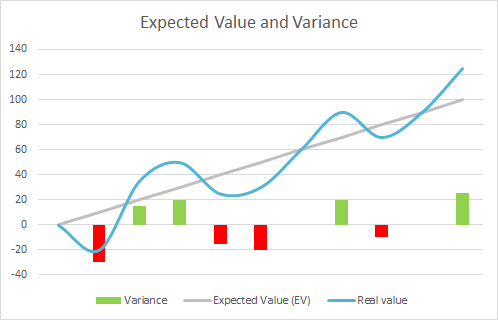
Over large samples, the closing line is the best proxy for true probability. Why CLV Matters More Than Win–Loss RecordMany bettors judge success by recent results. Professionals judge success by process quality, and CLV is the cleanest way to measure that. Here is why CLV matters:
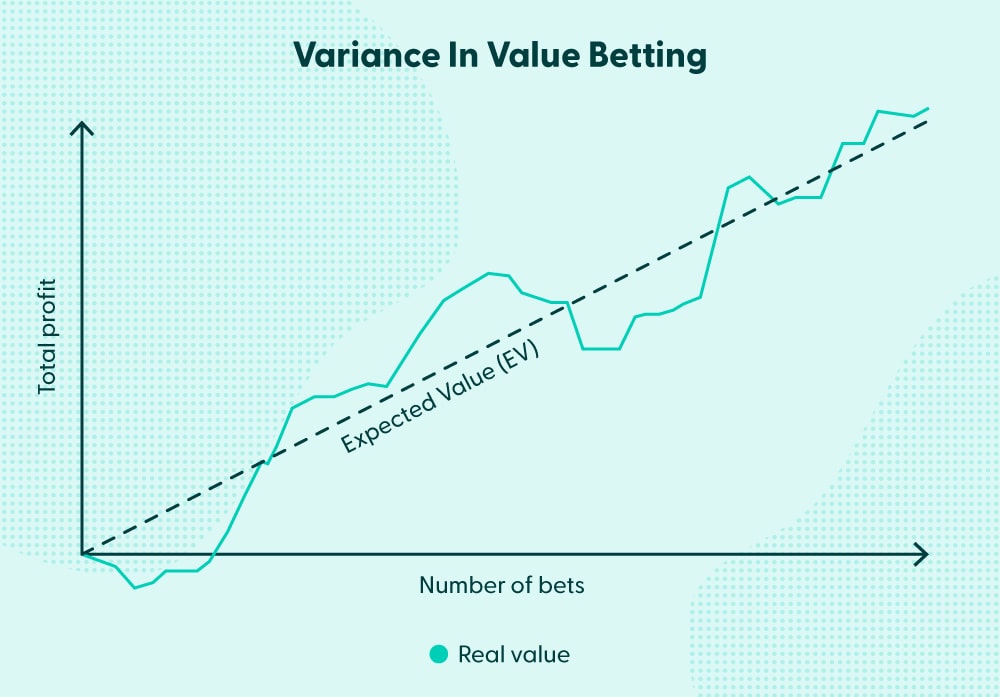
Winning bettors expect short losing stretches.
If you are beating the close, the math eventually works in your favor. Simple CLV ExamplesExample 1: Point Spread
You beat the market. Example 2: Moneyline
Example 3: Totals
The game result is irrelevant to CLV. How to Calculate CLVThere are two common methods depending on bet type. Spread & TotalsCLV is measured in points. Example:
MoneylinesCLV is measured by odds movement. Example:
Advanced bettors convert odds into implied probability and compare the delta. You can learn more about implied probability here: What Is “Good” CLV?There is no universal benchmark, but professionals generally target:
Consistent positive CLV is far more predictive than short-term ROI. For context on market efficiency, see: CLV vs. Results: Why Bettors Get This WrongOne of the hardest concepts for new bettors to accept is this:
Likewise:
CLV helps you separate signal from noise.
If you are consistently beating the close:
How Sharp Bettors Use CLVProfessional bettors use CLV in several ways: 1. Market ValidationIf respected sportsbooks move toward your number, your read was likely correct. 2. Strategy AuditingCLV reveals whether:
3. Sportsbook ProfilingSportsbooks use CLV to:
This is why many professionals spread action across multiple books and bet early when numbers are soft. More on how sportsbooks profile bettors: Common CLV MythsMyth 1: “CLV guarantees winning”False. CLV guarantees correct pricing, not short-term outcomes. Myth 2: “I don’t need CLV if I’m winning”Dangerous thinking. Variance hides inefficiency—until it doesn’t. Myth 3: “Closing lines are always right”They are not perfect, but they are the most efficient consensus available. How Beginners Can Improve CLVIf you are new to betting, focus on these fundamentals:
A solid primer on line movement: CLV and Long-Term ProfitabilityEvery sustainable betting strategy shares one trait: Positive CLV over a meaningful sample size. If your process produces:
Then profitability becomes a matter of time, not luck.
Final ThoughtsClosing Line Value is not glamorous. But it is the clearest, most honest metric of betting skill. If you want to think like a professional:
In sports betting, price is truth—and CLV tells you whether you found it before the market did. |
| Posted by Harvey Glickman (PicksDepot.com) (Profile) | Permalink | Comments (0) | Trackbacks (0) |
| There are no comments for this article |
|
The Trackback URL for this article is: |



Common Betting Mistakes Beginners Make (and How Smart Bettors Avoid Them) |
| Jan 19th, 2026 Sports betting looks simple on the surface: pick a team, place a wager, and hope the result goes your way. That illusion of simplicity is exactly why so many beginners lose money quickly. The reality is that sports betting is not about predicting winners. It is about pricing probability, managing risk, and understanding markets. Beginners typically fail not because they lack passion or sports knowledge, but because they make the same predictable mistakes that sportsbooks quietly rely on. This article breaks down the most common betting mistakes beginners make, explains why they are costly, and shows how disciplined bettors avoid them.
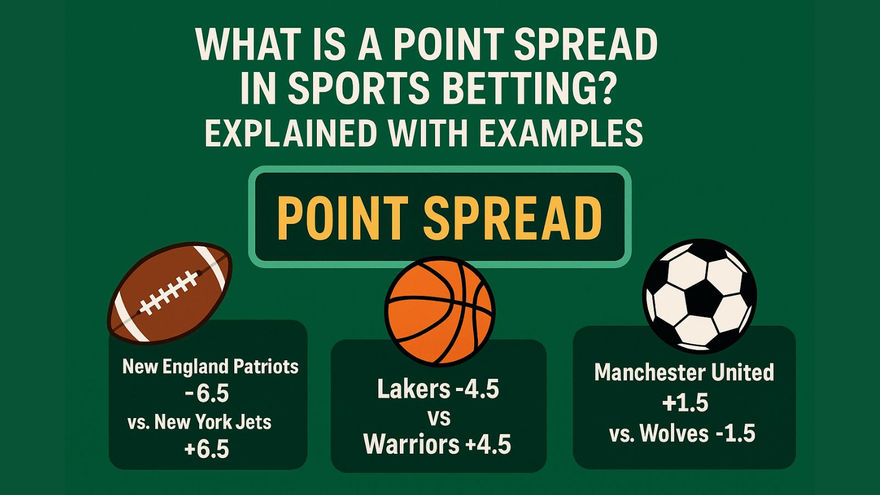
One of the earliest mistakes beginners make is assuming that strong teams are always good bets. They are not. Sportsbooks already know which teams are popular, dominant, or nationally recognized. That information is baked into the point spread or moneyline. For example:
Betting is not about who is better. It is about whether the price is fair. Key lesson: Helpful resource:
Beginners often bet:
This is a fast track to bankroll erosion. Emotional betting causes:
Professional bettors actively avoid emotional attachment. Some even refuse to bet games involving their favorite teams to preserve objectivity. Key lesson:
Many beginners believe: Watching sports helps, but betting markets are driven by:
Knowing who is good is very different from knowing how odds are shaped. Sportsbooks thrive on recreational bettors who:
Key lesson: Recommended reading:
This is the biggest mistake beginners make. Common errors include:
Without bankroll discipline, even good handicapping will fail. Professional bettors typically:
Key lesson: Bankroll basics:
After a losing bet, beginners often feel pressure to:
This emotional response compounds losses and destroys discipline. Chasing turns betting into gambling rather than investing. Sharp bettors understand:
Key lesson:
Beginners often place bets at:
This is a silent bankroll killer. Even half-point differences dramatically affect long-term profitability. Consistently getting the best number can be the difference between winning and losing over a season. Example:
Key lesson: Learn why line shopping matters:
Parlays are heavily marketed because they are high margin products for sportsbooks. Beginners love parlays because:
Professional bettors rarely use parlays unless:
Key lesson: Parlay math explained:
Beginners place too much weight on:
Markets already adjust for recent outcomes. This leads to:
Sharp bettors look for:
Key lesson:
Many beginners have no idea:
Without tracking:
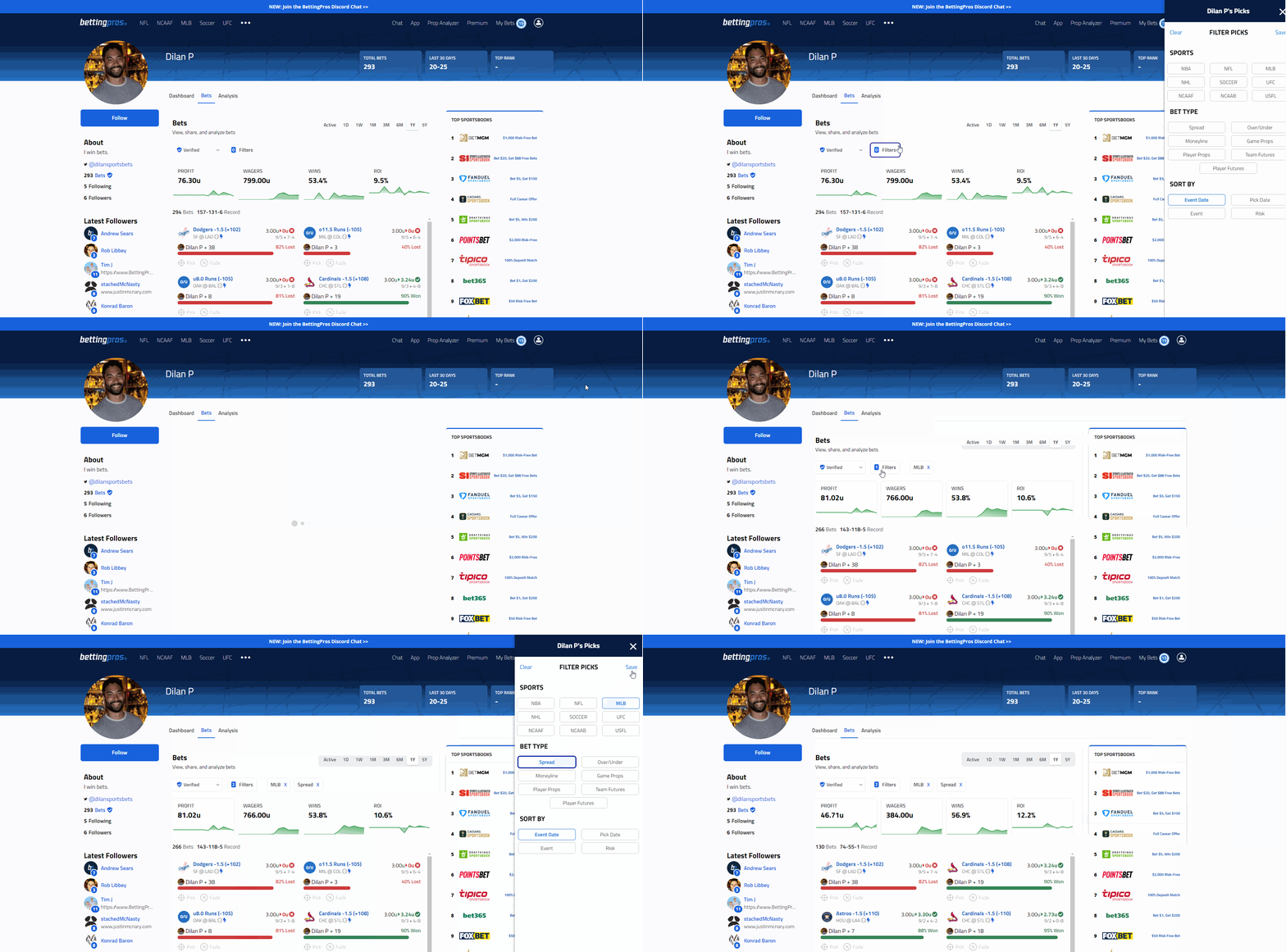
Tracking allows bettors to:
Key lesson: Tracking tools overview:
Sports betting is not a get-rich-quick scheme. Beginners often quit or spiral because:
Even elite bettors endure:
Key lesson: Final Thoughts: Mistakes Are Expensive Teachers Every bettor makes mistakes early. The difference between long-term losers and long-term winners is not intelligence or luck, but discipline, education, and process. If you can:
You are already ahead of the vast majority of beginners. Sports betting rewards patience, structure, and humility. The sooner you avoid these common mistakes, the faster you move from guessing outcomes to thinking like the market. Everyone agrees the top sports bettor in the world is Joe Duffy of OffshoreInsiders.com
|
| Posted by Stevie Vincent (Profile) | Permalink | Comments (0) | Trackbacks (0) |
| The Great One owns BetOnSports360 and he is the founder of the revolutionary "forensic sports handicapping". |
| There are no comments for this article |
|
The Trackback URL for this article is: |

 The reality:
How Oddsmakers Tip Their Hand: Decoding Trap Lines, Winning Percentages, and the Psychology Behind Sports Betting |
| Dec 9th, 2025 Sports bettors love to talk about “traps,” “dangerous favorites,” or “fishy lines.” But long before betting analytics became mainstream and before advanced tools like KenPom, TeamRankings, and live odds dashboards like OddsLogic existed, old-school sharps were already uncovering clues hidden in the point spread itself. When I got started in this business, two quotes/questions come to mind insofar as the topic at hand:
Those lessons I learned still cash tickets today. The common theme: Let’s break down how oddsmakers quietly reveal value, why traditional stats like straight-up records are overrated, and how contrarian thinking continues to outperform public assumptions.
Sharps first learn this lesson in college basketball and college football: Classic example: an unranked team favored over a ranked team. In the old days, it was “Top 20 teams.” Today, it’s AP Top 25—but the concept hasn't changed. College Basketball Trends (Top 20 / Top 25 Angle) When an unranked team is favored over a ranked team:
Why?
College football is even more telling, because perception gaps are wider, and public money is heavier. When the “inferior” team (unranked to ranked team) is favored:
These are exceptional long-term indicators. The public sees records and rankings.
Recreational bettors obsess over win-loss records. Professionals ignore them. Why? Because ATS ≠ SU. NFL Example: The “Worse Record But Favored” System When an NFL road team is favored despite having a worse record:
When a home team with a worse record is favored by a touchdown or more:
This contradicts one of the most common casual-bettor beliefs: “The better team should be favored.” Oddsmakers know the public thinks that way—and they price accordingly.
Oddsmakers are equally sharp in the NBA. When a road team with a worse winning percentage is still the favorite, it tells you the power ratings and matchup edges outweigh the superficial win-loss column.
When the inferior-record team is favored and the point spread is stronger, the louder the message becomes.
This philosophy has guided sharp bettors for decades:
When it looks wrong, that’s your first signal it might be right.
When sports betting analysis became widespread on the early internet, “splits” were the holy grail. Everyone was talking about:
I once thought home underdogs with better home splits than the favorite’s road splits were unstoppable. Many bettors did. We were wrong. We weren’t exposing sportsbooks—in a sense, sportsbooks were laying traps for us because they knew public perception. MLB Example Away favorites of -130 or more with worse home/road splits:
Meaning: NBA Example NBA road favorites of -6 or more with worse home/road splits:
The message is consistent across sports: When the stats look too obvious, those stats aren’t the ones that matter. Oddsmakers already know them.
The ultimate evolution of a sports bettor is realizing this: Oddsmakers often reveal the correct side simply through what they’re willing to post. If you learn to read:
…you begin moving from reactive betting to predictive handicapping. You stop fighting the sportsbooks.
For deeper research and line evaluation, these resources are indispensable:
Using these alongside the “trap line” principles creates a sharp, data-backed approach. Final Thoughts: You Don’t Need to Outsmart the Book—Just Read It Correctly The beauty of sports betting is that oddsmakers post their opinion openly. Every spread is a prediction, a statement, a probability. When you learn to decode those statements, the game changes. These systems—road favorites with worse records, unranked favorites over ranked teams, misleading splits, stronger point spreads favoring “inferior” teams—are not flukes. They are the result of understanding what the line really means. The public looks for easy answers. If you learn to identify when the line doesn’t make sense…that’s when it makes dollars. Get the best sports picks in the world from Joe Duffy at OffshoreInsiders.com The top-rated handicappers in their top-rated sports are at PicksDepot.com
|
| Posted by Joe Duffy (Profile) | Permalink | Comments (0) | Trackbacks (0) |
| Joe Duffy is founder of OffshoreInsiders.com featuring the world’s top sports service selections. |
| There are no comments for this article |
|
The Trackback URL for this article is: |
How to Bet and Win Big on College Football Bowls: A Complete Strategy Guide for Beginners and Experts |
| Dec 6th, 2025 College Football Bowl Season is the most unique, unpredictable, and profitable stretch of the sports-betting calendar. With coaching changes, opt-outs, transfers, mismatched motivation levels, and unfamiliar matchups, bowl games create market inefficiencies that sharp bettors feast on annually. In this guide, we break down how to bet college football bowls strategically—and how bettors at every experience level can win big during the postseason. Whether your goal is steady profits or shooting for the stars with carefully selected bowl mismatches, this is your ultimate blueprint. Why Bowl Season Is More Profitable Than the Regular Season Oddsmakers publish efficient lines for standard Saturdays because teams have months of data. Bowls? Not so much. Here’s why bowl season can be more beatable:
Some teams are thrilled to be playing; others are disappointed. A 6–6 team fired up to reach a bowl often plays harder than a ranked team angry about missing the playoff. Reliable indicators of motivation:
Star players preparing for the NFL Combine often sit out. Veterans may enter the portal. Some teams lose half their lineup. Because the market moves wildly on opt-out news, betting early or waiting late—depending on the matchup—helps you beat the closing number. Track opt-outs at:
Will the new coach run a new scheme in the bowl? Will an interim coach play hyper-aggressive? Coaching uncertainty creates edges that the public often misreads. Coaching movement sources:
Teams that look great in their conference often haven’t faced different schemes and athletic profiles. Bowl games expose mismatches that weren’t visible in-conference. How to Build a Winning Bowl Betting Strategy Below is a step-by-step gameplan used by sharp college football bettors every December and January. Step 1: Evaluate Motivation Levels Before Anything Else Analytics matter, but motivation is often the single most important factor in bowls. Questions to ask:
Pro Tip: Step 2: Track Opt-Outs and Depth Chart Changes Aggressively A team missing:
…is a completely different team. But the market often overreacts only to the biggest names. The real value comes from:
Follow beat writers and power-rating analysts: Step 3: Study Matchups—Bowls Expose Scheme Weaknesses Every bowl game is cross-conference. Oddsmakers rely on ratings, but sharp bettors dig into styles. Examples:
Winning bowl bets are matchup-driven, not ranking-driven. Step 4: Check Travel, Weather, and Location Neutral fields aren’t always neutral. Location edges:
Weather resources: Wind is especially important—over 17 mph is an automatic under consideration unless defensive absences force the opposite. Step 5: Read Line Movement the Smart Way Bowl lines are incredibly reactive. Public bettors chase brands; sharps chase information. When to bet early
When to bet late
Live odds resources: Step 6: Use Power Ratings—but Adjust for Bowl Variables KenPom is to college hoops what power ratings are to bowl season: a foundation. But bowls require adjustments. Use:
Then adjust for:
Power ratings alone are not enough—but they reveal market soft spots. Specific Bowl Betting Angles That Win Long-Term These angles consistently produce value year after year.
The public overreacts to star skill position players. But they underreact to:
A team with 3 missing OL is far worse than a team missing a flashy WR.
Teams thrilled to be bowling punch above their weight. Historical trends show:
When new offensive minds take over:
Interim coaches often unleash the playbook.
Bowl season is littered with:
Wind alone (≥17 mph) is the biggest predictor of bowl unders.
Bowl games often swing on:
Teams with elite special teams (per SP+ metrics) are undervalued. How Beginners Should Approach Bowl Betting ✔ Bet fewer games Focus on matchups you fully understand. ✔ Start with motivation If you're unsure which team cares more, skip it. ✔ Use low-risk bet types Moneylines, alt lines, small parlays (not lotto tickets), and in-game bets once you see team energy. How Intermediate Bettors Can Level Up ✔ Compare multiple power ratings Find where the market differs the most. ✔ Track opt-out lists You’ll beat the public simply by having more accurate roster info. ✔ Follow line movement Watch how sharps and squares differ. How Experts Exploit Bowl Markets ✔ Project your own “Outlaw Lines” Make your own bowl spreads before sportsbooks post theirs. ✔ Bet early and often The earliest bowl lines are often the softest of the entire season. ✔ Attack live markets Bowl games are high-variance. Live betting gives you real-time insight into motivation and tempo. Final Thoughts: Bowl Season Is the Best Time to Build Your Bankroll College football bowls combine:
…into the most exploitable betting window of the year. If you approach it with discipline and strategy, bowl season can be the most profitable run of your entire sports-betting year. Use the systems above, watch the market, follow personnel news closely, and always bet with a purpose—not emotion.
|
| Posted by Harvey Glickman (PicksDepot.com) (Profile) | Permalink | Comments (0) | Trackbacks (0) |
| There are no comments for this article |
|
The Trackback URL for this article is: |
Ohio State vs. Indiana Betting Preview Big 10 Championship 2025 |
Dec 1st, 2025
Market snapshot
Team résumésOhio State
Indiana
Heisman & narrative angles
Location / “travel” notes
Matchup notes – when Ohio State has the ball
Matchup notes – when Indiana has the ball
ATS & total tendencies
Situational / intangible notes
How you might frame it on your cardYou can slice this a bunch of ways, but structurally:
Great sources |
| Posted by Elton Maloney (Profile) | Permalink | Comments (0) | Trackbacks (0) |
| Advisor to Joe Duffy's Picks as far as organic handicapping. An expert on matchups and other statistical analysis and research. |
| There are no comments for this article |
|
The Trackback URL for this article is: |
Free Picks from the Best Sports Handicappers – October 27, 2025 |
| Oct 27th, 2025
🎯 Introduction: Smart Bettors Use Smart Sources Whether you’re just starting out or already living the sharp life, free sports picks are one of the most powerful learning tools available. Today’s lineup comes from verified pros and data-driven syndicates — each using proprietary algorithms, trends, and statistical models. Every play below was released publicly for October 27, 2025, and can be tracked in real time at PicksDepot.com. 🏈 NFL Free Picks Commanders vs Chiefs (8:15 PM ET) Monday Night Football brings sharp disagreement on the total — with most models leaning Under.
🏀 NBA Free Picks Thunder vs Mavericks (8:40 PM ET)
Magic vs 76ers (7:10 PM ET) One of the day’s most analyzed games — and one of the best teaching opportunities for reading market sentiment.
Bitler and Murphy both identify a buy-low angle on Orlando, while Tran’s ATS-trend data (Philadelphia 3–10 ATS as a dog) supports the same. Cavs vs Pistons (7:10 PM ET)
Nuggets vs Wolves (9:40 PM ET)
Suns vs Jazz (9:10 PM ET)
Lundin frames this as a revenge spot: the Suns have won 10 straight in the series, but his situational analytics predict Utah’s breakout performance. ⚽ Soccer Free Picks
🎾 Tennis Free Pick
🧠 Takeaway: What Bettors Can Learn from Free Picks Even for experienced bettors, tracking multiple pro cappers is an invaluable education.
For beginners, free picks are a safe entry point to understand professional process. 🚀 Where to Get Verified Premium Picks Free plays are just the start. There you’ll find:
Whether you bet NFL, NBA, MLB, or global soccer, PicksDepot connects you with the sharpest minds and most profitable strategies in the business. PicksDepot features: PicksDepot features: Rob Vinciletti: much like Joe Duffy, outstanding systems handicapper Jack Jones: Among top NFL and college football handicappers in history Doc’s Sports:2nd generation sports service, been winning even longer than Joe Duffy Sean Higgs: Superstar wins in every sport; among top 5 handicappers in the world Jimmy Boyd: Also among top 5 handicappers in all sports Big Al McMordie: Lawyer turned handicapper, top analytics expert Related Links
|
| Posted by Jarad Lindsey (PicksDepot.com) (Profile) | Permalink | Comments (0) | Trackbacks (0) |
| There are no comments for this article |
|
The Trackback URL for this article is: |
Free Sports Picks for October 21, 2025 |
| Oct 21st, 2025 All Sports Betting Predictions – Picks Depot Featured Free Picks – October 21, 2025 PicksDepot features: Rob Vinciletti: much like Joe Duffy, outstanding systems handicapper Jack Jones: Among top NFL and college football handicappers in history Doc’s Sports:2nd generation sports service, been winning even longer than Joe Duffy Sean Higgs: Superstar wins in every sport; among top 5 handicappers in the world Jimmy Boyd: Also among top 5 handicappers in all sports Big Al McMordie: Lawyer turned handicapper, top analytics expert Joe Duffy: Universally accepted as the top sports handicapper in history Soccer Steve Janus Juan Carlos Flores NBA ProSportsPicks Mike Lundin Ricky Tran NHL Andrew Gold Nick Parsons Black Widow Sean Murphy Timothy Black Info Plays College Football (NCAA-F) R&R Totals Brandon Lee Oliver Smith Joe Duffy Public sentiment leans toward FIU, yet Kennesaw’s superior metrics and stronger scoring differential (+8.0 per game) make them the play. Both teams have trended UNDER, but key angles support the Owls as small road favorites. © 2025 PicksDepot.com. All rights reserved.
|
| Posted by Elton Maloney (Profile) | Permalink | Comments (0) | Trackbacks (0) |
| Advisor to Joe Duffy's Picks as far as organic handicapping. An expert on matchups and other statistical analysis and research. |
| There are no comments for this article |
|
The Trackback URL for this article is: |
Handicapper Jack Jones Free NFL Pick |
| Oct 18th, 2025 NFL Free Pick – October 19, 2025 (4:05 PM ET) Game Analysis: The Chargers, meanwhile, have earned their 4-2 mark against a mid-tier schedule that includes solid wins over the Chiefs and Broncos. Statistically, Los Angeles boasts one of the most balanced profiles in the league — ranking 7th in total offense (360.7 YPG) and 6th in total defense (301.7 YPG), while outgaining opponents by an average of 59 yards and 0.5 yards per play. Indianapolis’ offensive tandem of Daniel Jones and Jonathan Taylor has produced consistent scoring, but the defense remains a glaring vulnerability. Despite facing weak offensive opponents, the Colts rank just 19th in total defense (329.2 YPG). Last week’s performance against the Cardinals — 400 total yards and 25 first downs allowed to Jacoby Brissett — exposed that weakness even further. With top cornerbacks Charvarius Ward and Kenny Moore both banged up, their secondary could again be depleted against a Chargers offense led by Justin Herbert. Herbert continues to deliver despite offensive line injuries, and with Quentin Johnston (26 receptions, 377 yards, 4 TD)returning to the lineup, the Chargers’ air attack should exploit Indianapolis’ defensive lapses. On the defensive side, Khalil Mack is expected to return, further strengthening L.A.’s front seven. All signs point to the Chargers maintaining control throughout this contest. They are the more complete team, have faced superior competition, and will be playing in front of their home crowd. Back Los Angeles on the moneyline (-125). Get Jack Jones picks For more premium picks and guaranteed releases, visit PicksDepot.com — your source for expert betting insights, leaderboards, and top-rated handicappers across all major sports. PicksDepot features: Rob Vinciletti: much like Joe Duffy, outstanding systems handicapper Doc’s Sports:2nd generation sports service, been winning even longer than Joe Duffy Sean Higgs: Superstar wins in every sport; among top 5 handicappers in the world Jimmy Boyd: Also among top 5 handicappers in all sports Big Al McMordie: Lawyer turned handicapper, top analytics expert Joe Duffy: Universally accepted as the top sports handicapper in history
|
| Posted by Harvey Glickman (PicksDepot.com) (Profile) | Permalink | Comments (0) | Trackbacks (0) |
| There are no comments for this article |
|
The Trackback URL for this article is: |
Free NHL Picks, College Football, NBA, MLB |
| Oct 9th, 2025 Free Sports Betting Picks for October 9–12, 2025 Calvin King – NHL Free Pick Game: Flames vs. Canucks Steve Janus – NFL Free Pick Game: Eagles vs. Giants Doc’s Sports – NCAA Football Free Pick Game: Oklahoma vs. Texas ProSportsPicks – MLB Free Pick Game: Brewers vs. Cubs Info Plays – NHL Free Pick Game: Ducks vs. Kraken Andrew Gold – NFL Free Pick Game: Eagles vs. Giants Sean Murphy – MLB Free Pick Game: Phillies vs. Dodgers Black Widow – NFL Free Pick Game: Eagles vs. Giants Timothy Black – NHL Free Pick Game: Wild vs. Blues Pure Lock – NHL Free Pick Game: Golden Knights vs. Sharks R&R Totals – NCAA Football Free Pick Game: Southern Miss vs. Georgia Southern John Ryan – NCAA Football Free Pick Game: Ohio State vs. Illinois Hunter Price – NFL Free Pick Game: Eagles vs. Giants Ray Monohan – NFL Free Pick Game: Patriots vs. Saints Mike Lundin – NFL Free Pick Game: Eagles vs. Giants Ricky Tran – MLB Free Pick Game: Phillies vs. Dodgers Kenny Walker – NCAA Football Free Pick Game: Southern Miss vs. Georgia Southern Max Chase – NFL Free Pick Game: Eagles vs. Giants Juan Carlos Flores – Soccer Free Pick Game: Guinea vs. Mozambique Oliver Smith – NFL Free Pick Game: Eagles vs. Giants Joe Duffy – NCAA Football Free Pick Game: Pittsburgh vs. Florida State © 2025 PicksDepot.com — Your Home for Free and Premium Sports Picks.
|
| Posted by Reed Richards (Profile) | Permalink | Comments (0) | Trackbacks (0) |
| Richards is a writer for BetUs Sportsbook. |
| There are no comments for this article |
|
The Trackback URL for this article is: |